
Ultimate Guide to eCommerce Fulfillment: Strategies & Best Practices
When someone clicks “Buy Now,” it feels like a win. But the real test of your business starts right after that click. That’s when a customer is silently wondering, Will I actually get what I ordered—on time, and in perfect shape? The answer lies in how you handle fulfillment.
Fulfillment is the moment your promise turns into a real product in someone’s hands. It’s where excitement can grow into trust or frustration. In eCommerce, trust is everything. If you can’t deliver, you can’t grow.
And make no mistake, this isn’t just a backroom task. Fulfillment drives growth. The fulfillment industry isn’t small change either. It’s already worth well over $130 billion today and, if trends keep up, it could climb past $250 billion in just a few years.
Brands that figure it out early are the ones people keep coming back to—the ones that rack up repeat orders, rave reviews, and the kind of word-of-mouth buzz you can’t buy with ads.
And when they can’t? late deliveries, missing items, boxes that arrive looking like they’ve been through a storm—and people move on fast. One bad order can undo months of hard work.
This guide breaks down how to create a fulfillment system that keeps costs under control, scales with your business, and keeps customers coming back. Let’s get into the strategies that separate the stores people love from the ones they forget.
TL;DR
eCommerce fulfillment isn’t just “send the product.” It’s a chain where every step matters:
- Inventory – Know what you have and where it is.
- Warehouse – Keep stock organized to ensure fast shipping.
- Orders – Turn clicks into shipments quickly.
- Packaging – Efficient packaging protects products and makes unboxing enjoyable.
- Returns – Make refunds easy so customers keep coming back.
Fulfillment can be done in a few ways:
- In-House – You handle everything; good for small orders.
- Dropshipping – Suppliers do the heavy lifting; great for testing new products.
- 3PL – Experts manage storage and shipping while you focus on growth.
Start small, figure out what works, and scale. At the end of the day, fulfillment is about keeping promises and turning first-time buyers into loyal fans.
What is eCommerce Fulfillment?
So, what exactly is ecommerce fulfillment?
Basically, once someone hits “place order,” that’s when your real job starts. You’ve to get that to the customer’s doorstep. That’s all fulfillment really means. It’s the behind-the-scenes task that makes shopping online feel smooth for the buyer.
The Six Core Fulfillment Components
At the end of the day, fulfillment is all about one thing: keeping your promise. When someone buys from you, you’ve got to make sure their order actually gets to them. Safely, quickly, and without any headaches.
Inventory Management: One of the most important things. You have to know exactly what you have on hand. So, you don’t end up selling something that’s out of stock. The most frustrating thing for a customer is paying for an item and finding out it’s out of stock..
Warehouse Storage: Everything has to be organized so you can find the items quickly, whether it’s a big warehouse or just a spare room. And you might even need special storage depending on what you sell. Like keeping things cool or locking up high-value products.
Receiving Orders: Once they come in, you’ve got to check the payment, confirm the details, and make sure the right product is pulled. Some businesses have software that does all this automatically, while others still handle it manually.
Packaging: It’s not only about stopping things from breaking in the mail. Packaging is the very first thing customers touch from your brand, like a first Impression. A nice box, eco-friendly wrapping, or just packing it beautifully can make a whole impression.
Shipping: The part customers usually care about most. The goal is to get it out the door fast, hand it to a courier you trust, share tracking details, and just hope it doesn’t get delayed along the way.
Returns Processing: No one likes them, but they’re part of running an online store. If you make the process simple, refunds, exchanges, and restocking are easy. You’ve got a much better chance of keeping that customer around. Make it hard, and they probably won’t return.
How Ecommerce Fulfillment Works: Step-by-Step Process
So, what actually happens after someone clicks “buy now” on your store? A lot more than most people think. The order doesn’t just magically show up at their house — there’s a whole chain of steps working in the background to make it happen.
The first step is when the order drops in. The second the customer pays, your store checks if the items are in stock. If it is, the order is confirmed. If not, well… you’ve got a problem.
Then the details go to the warehouse. The warehouse (or maybe it’s just your back room if you’re small) gets the order info. A list is made so whoever’s picking knows exactly what needs to be grabbed.
And then it’s time to pick the products. Go to the shelves, scan or check the barcodes, and pull the right items. Some big warehouses use fancy scanners or even RFID tags, but a lot of the time, it’s just people grabbing boxes.
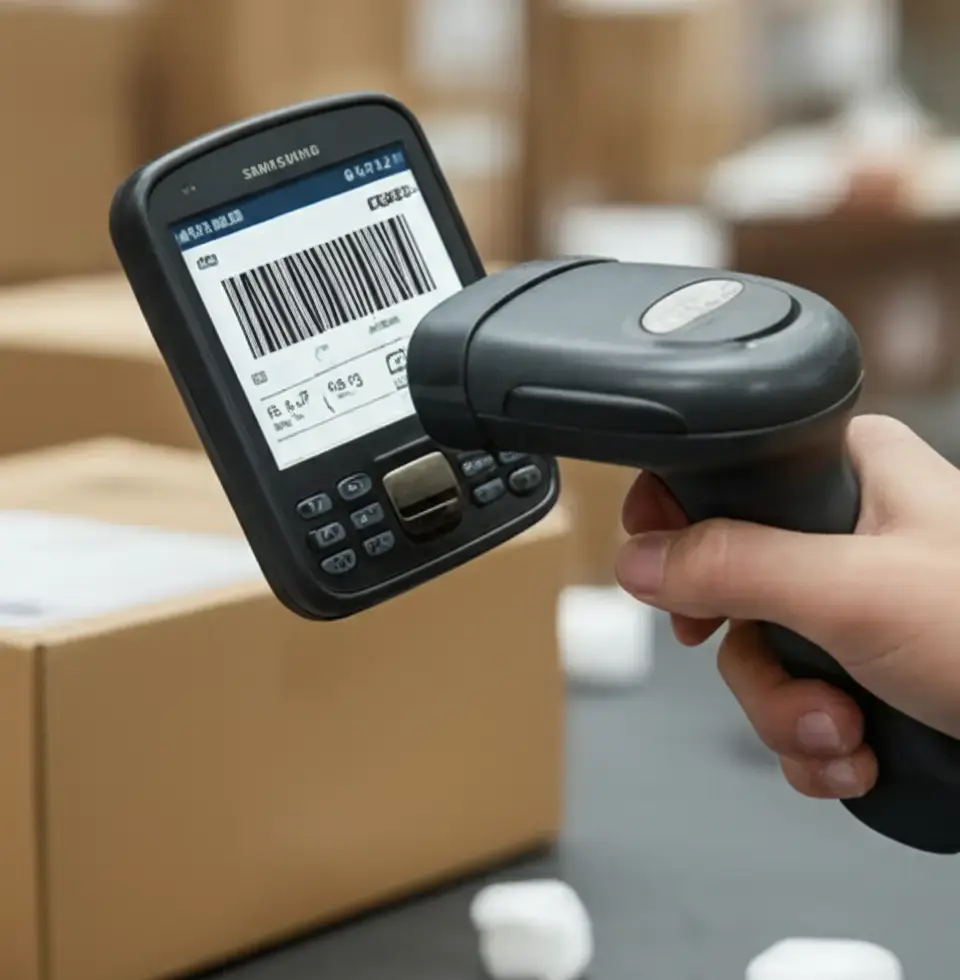
Now you have to pack it up. Before it’s sealed, there’s usually a quick check to make sure the order is correct. Then it’s packed, bubble wrap, box, tape, label. Nothing glamorous, but super important.
Next steps are going outside and shipping it out. A shipping label is printed. The courier takes the box. And the customer gets an email or text with a tracking number. From here, everyone waits and watches that tracking page refresh.
That’s not a step. You have to step in if something goes wrong, packages get delayed, lost, or messed up. When that happens, you have to step in and fix it. And one must do is let the customer know what’s going on.
That’s it. Fulfillment is just the behind-the-scenes grind that takes an order from a click to a doorstep. When everything works, nobody really notices. They just get their package on time and think, “Cool.” When it doesn’t, that’s when customers start paying attention.
Three Main Fulfillment Strategies
Fulfillment approach directly impacts customer satisfaction, costs, and growth potential. When you have the right strategy, it makes the foundation for scaling. But a wrong choice creates operational bottlenecks that limit your business.
Each model serves different needs. In-house fulfillment offers maximum control. Dropshipping minimizes risk and investment. And 3PL provides professional infrastructure without capital requirements.
The idea is matching your strategy to your business size, growth stage, and operational priorities.
In-House Fulfillment
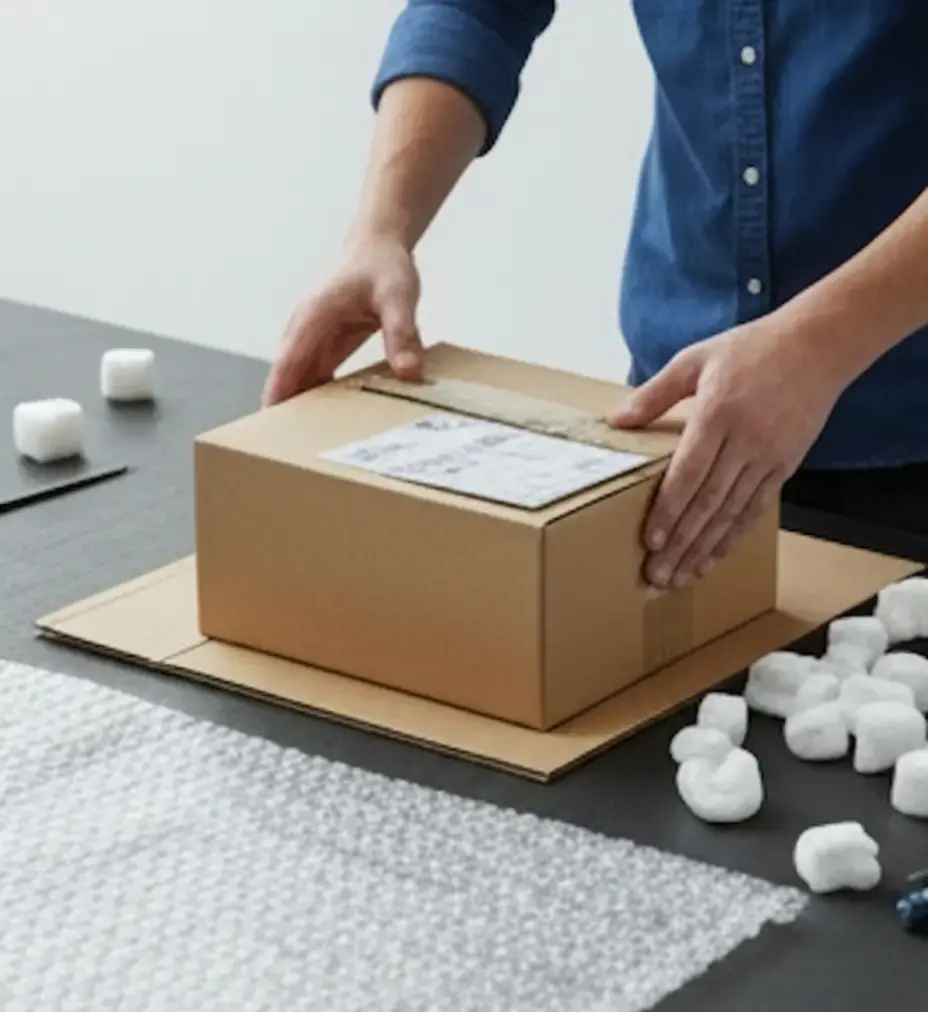
Running fulfillment yourself basically means you’re the warehouse, the packer, and the shipper all rolled into one. Every product stays in your space until you send it out the door.
Best For
This setup makes the most sense if you’re a small shop. Under a hundred orders a month or having total control over how every box looks and feels is a big part of your brand.
It’s for people who want their hands on everything, from the tape on the package to the thank-you note inside.
Advantages
The biggest perk is control. You see every item before it leaves, so you can make sure it’s packed right and arrives looking the way you promised.
Startup costs can be lower, too, since you’re not paying someone else to store or ship. And if something goes wrong, you can jump in and fix it right away.
Disadvantages
Growth, though, is where it starts to pinch. Keeping inventory on hand eats up cash. Renting space or hiring staff gets expensive fast.
Often, when the holiday rush hits, it can feel like you’re drowning in boxes. Sometimes, even a small spike in orders can throw everything off.
Best Practices
If you’re going this route, invest early in a solid inventory tool so you’re never guessing what’s in stock.
Build relationships with more than one shipping carrier, and write down every packing step so anyone on your team can follow it. These small moves make scaling a lot less painful later.
Dropshipping
Dropshipping is the opposite of hands-on. You don’t stock a thing. When someone buys, you send the order to a supplier, and they ship it straight to the customer.
Best For
If you don’t have a lot of budget or patience for warehousing, testing a new idea, or chasing trends, or just don’t have the budget. Great for side hustles or stores that want a huge catalog without the upfront cost.
Advantages
You can launch fast and cheap. No storage fees, no unsold boxes sitting around. Want to add a new product? Just list it. If it doesn’t sell, drop it with zero stress.
Disadvantages
But here’s the trade-off: you give up control. Shipping times can drag, product quality might be hit-or-miss, and if a supplier messes up, your customer still blames you. Margins are usually slimmer too, so there’s less room to absorb surprises.
Success Tips
Order samples before you commit, and talk to suppliers like you’d talk to a business partner. Because that’s what they are.
Keep a backup supplier ready for hot products so you’re not stuck when stock runs out. If possible, choose partners who offer branded packaging so the experience feels like your store.
Third-Party Logistics (3PL)
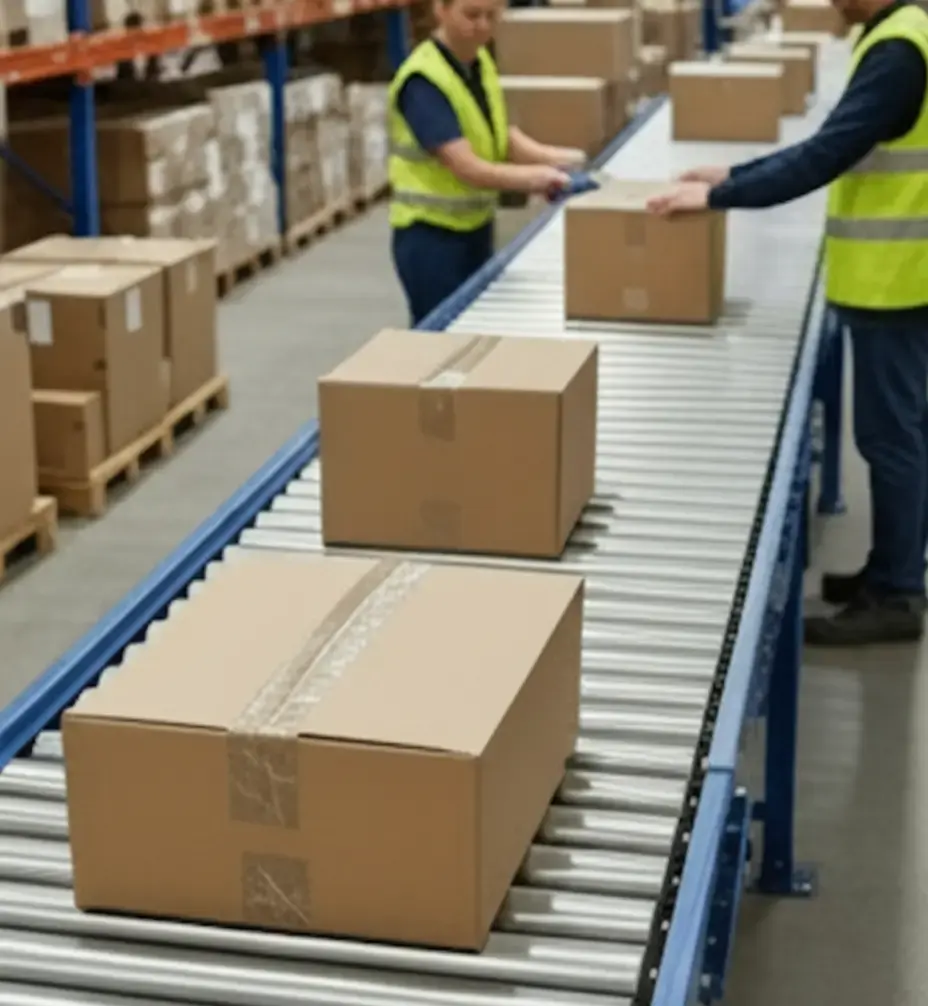
3PL is like hiring a pro agency to do all the heavy lifting. They store products, pick and pack each order, and ship it to the right address. You focus on selling; they handle the grind.
Best For
Fast-growing brands that are too big for the DIY setup but not ready to build their own warehouse. If the order volume is rapidly going up and you need to stay focused on marketing or product development, this is your option.
Advantages
You get serious infrastructure, tech systems, trained staff, and shipping discounts you probably couldn’t negotiate alone. Scaling becomes way easier, and you don’t have to worry about daily operations eating up your time.
Disadvantages
You do give up some control. If there’s a mistake, you’re relying on someone else to fix it fast. Smaller businesses might also pay more per order until their volume grows, and there’s an extra layer of communication when something goes wrong.
Choosing a Partner
Look for a 3PL that plays nicely with your ecommerce platform so orders flow without hiccups. Ask about their coverage areas to keep delivery times tight, and ask for references. Try to reach out to one of their current clients for first-hand experience about their services.
Advanced Fulfillment Models and Hybrid Approaches
Fulfillment is where the rubber meets the road in eCommerce. It’s the part of your business that turns a “yes, I’ll buy” click into a real package sitting on a customer’s doorstep.
And here’s the truth: as your store grows, doing it one way usually isn’t enough. Successful businesses go for a mixed approach. They find the right balance to keep customers happy and orders moving smoothly.
Multi-Channel Fulfillment: Selling in multiple places is exciting. See from your website, marketplaces, social media, and maybe even pop-ups. But it can get chaotic if inventory isn’t in sync.
Multi-channel fulfillment helps you stay on top of it all. You can sell everywhere without accidentally promising the same product twice. When done right, it feels effortless to the customer. They click, they buy, and their order just works.
Regional Fulfillment: Sometimes location matters more than you think. Regional fulfillment keeps inventory closer to most of your customers. When buyers are in a few key cities, shipping from a nearby hub saves time and money.
And fast delivery makes a huge difference. If available, 76% of consumers choose free same-day delivery. People love it when their products arrive sooner, and that wow moment keeps them coming back.
Micro-Fulfillment: In cities, stores are choosing micro-fulfillment. It’s like a small, clever warehouse hidden in the neighborhood. It’s smart, efficient, and lets you get orders out the door the same day or the next without the headache and cost of a huge warehouse.
Your customers get what they want almost instantly, and you can run operations efficiently. Small space, big impact.
Hybrid Fulfillment: Hybrid fulfillment is all about picking your battles. High-value or custom products stay in-house so you can make sure every detail is perfect. Standard, fast-moving items go through a 3PL, which takes care of the heavy lifting.
You get the personal touch where it counts and expert efficiency where it doesn’t. It’s like having a full team without needing a full warehouse of your own.
Fulfillment Technology and Automation
Handling orders used to feel tough. You pick, pack, ship, hope nothing breaks, and pray the right box gets to the right person. Technology has changed all that. Now, fulfillment can actually feel… manageable.
Warehouse management systems(WMS) are the secret sauce. They tell you what’s in stock, show the quickest route to grab items, and make sure nothing gets lost. It’s like having a warehouse GPS that actually works.
Inventory tools are like a crystal ball. They peek at trends, promotions, and busy seasons and whisper, “Hey, you’ll need more of this next week.” No more running out of stock or drowning in unsold boxes.
Automation handles the boring stuff. Orders move from your website to the warehouse to shipping without you typing a single thing. Everything talks to each other behind the scenes, and it just… works.
AI is the cherry on top. It notices patterns, learns what works, and keeps improving. Over time, your fulfillment system practically runs itself, smarter and faster than when you started.
The best part? You get a lot of time. Less stress, fewer mistakes, happier customers.
Conclusion: Make eCommerce Fulfillment Feel Like Magic
Fulfillment isn’t just about shipping boxes. It’s about keeping your word. Every order is a chance to make someone smile and turn a one-time buyer into a fan who comes back.
Maybe you’re packing orders in your living room, maybe a supplier handles it, or maybe a fulfillment partner does the heavy lifting. How it gets to the customer really matters.
There’s no single right way to do it. You might do everything yourself at first, try dropshipping to see what sticks, or bring in a 3PL when things get busy. The idea is to choose what fits where you are and where you want to go.
Customers care about some simple things: fast shipping, good products in good condition, and a smooth experience. Focus on those, tweak your process as you go, and don’t be afraid to mix things up. Do it right, and they’ll come back—again and again.

WordPress, automation, eCommerce and growth marketing specialist, a Core Contributor and Media Corps member blending storytelling with technology to craft purposeful strategies in SEO, email marketing, and beyond.

Subscribe now
Related Articles and Topics
-
Bundle Marketing: An eCommerce Guide for Store Owners
Bundle marketing guide: types, pricing math, examples, and a FluentCart setup.
-

eCommerce Laws in 2026: The 8 Rules Regulators Are Fining Stores Over
The 8 ecommerce laws regulators fined stores over in 2025 and 2026.
-
What Is a Payment Gateway? A Guide for WordPress Store Owners
Confused about payment gateways? Here’s what they actually do, which ones fit WordPress, and how to pick the…




Add your first comment to this post