What is Top Level Domain (TLD): A Simple Guide for Business Owners
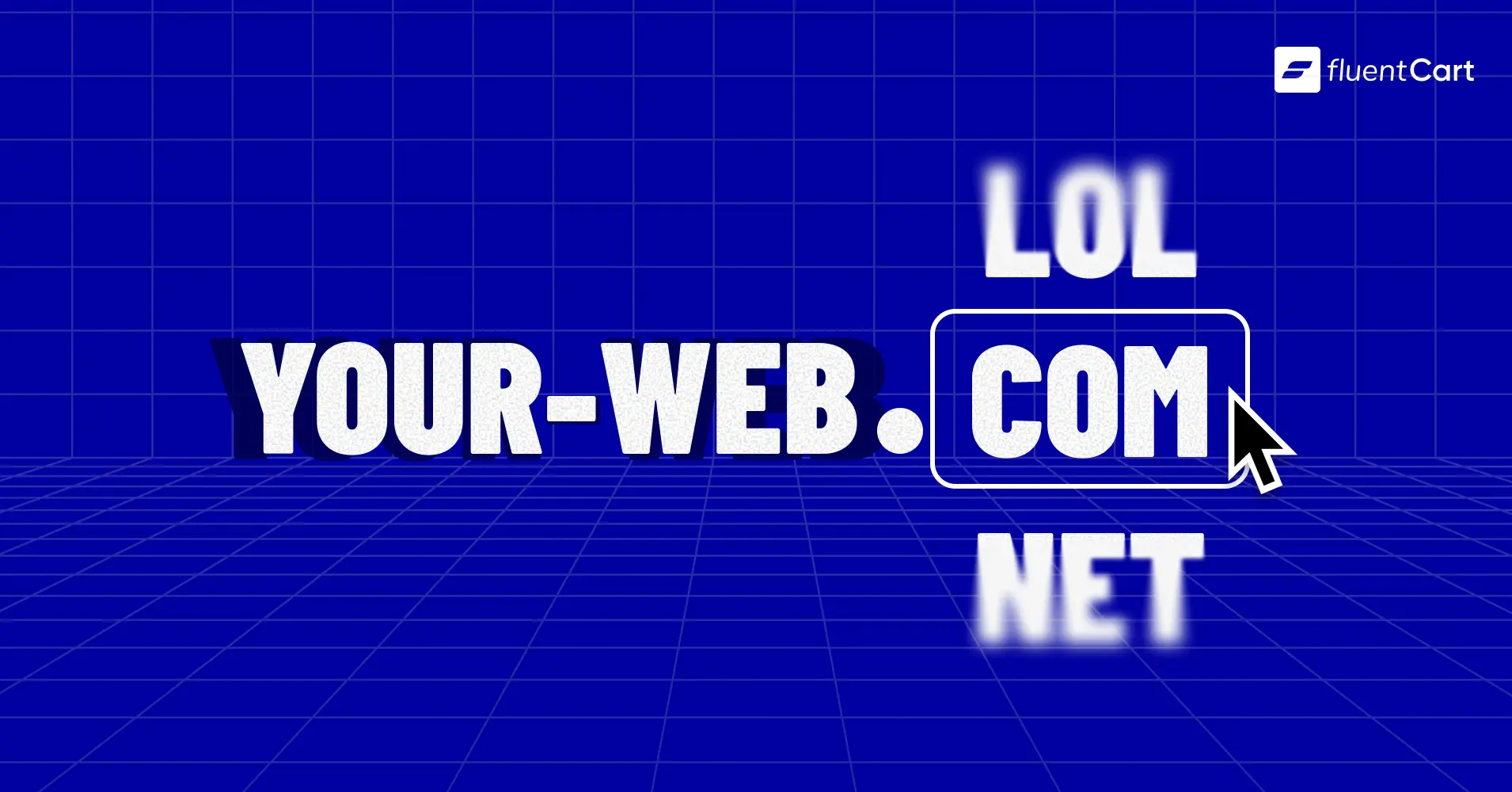
If you look at any website address, you will see a very familiar structure. There will be https:// or www, then the company name, then a dot, and then three letters. You know what it is. Sometimes it’s three letters, maybe two, and it’s not always COM. This is what we call the Top Level Domain name, or TLD.
Think about it. When you type google.com, the “.com” part is the TLD. When you visit wikipedia.org, the “.org” is the TLD. These simple letters at the end of a web address do more than you might think. They tell people what kind of website you run. They help search engines understand your business. And they can even affect how customers see your brand.
In this guide, before start building eCommerce site, I will break down everything you need to know about TLDs. Whether you are starting a new online shop or already running a website, understanding TLDs will help you make better decisions for your business. We have a list of of Some Weird TLD, so keep reading.
What is a Top Level Domain (TLD)?
A domain name has two main parts. Let me show you with an example.
Take the website fluentcart.com:
- FluentCart is the domain name you choose
- .com is the Top Level Domain
The TLD is simply the extension that comes at the end of your website address. It is the last part after the final dot.
How TLDs Work in the Internet System
When you type a website address into your browser, something interesting happens behind the scenes. The internet uses something called the Domain Name System, or DNS. Think of it like a phone book for websites.
Every TLD is managed by a registry organization, overseen by the Internet Corporation for Assigned Names and Numbers (ICANN). This structure keeps the DNS system organized and stable worldwide.
Here’s what happens when you visit a website:
- Your computer contacts a root server
- The root server looks at the TLD and points to the right TLD server
- The TLD server then directs you to the specific server that holds the website
This process happens in milliseconds. The TLD plays a key role in helping your browser find the right website quickly and reliably.
Types of TLD
There are many different types of TLDs. Right now, there are over 1,500 top-level domain extensions available. But don’t worry, you don’t need to know all of them. Let me break down the main categories that matter most.
Generic Top-Level Domains (gTLDs)
These are the most common TLDs you see every day. They are used globally and are not tied to any specific country.
Popular examples include:
- .com – Originally for commercial sites, now used by everyone
- .org – Started for organizations, now open to all
- .net – Originally for network providers, now general use
- .edu – For educational institutions
- .gov – For government agencies
The .com domain is still the most popular and trusted. Most people automatically think of .com when they hear a business name.
Country Code Top-Level Domains (ccTLDs)
These TLDs are specific to countries or territories. They help show where a website is based or who it is meant for.
Common examples:
- .uk – United Kingdom
- .ca – Canada
- .jp – Japan
- .au – Australia
- .de – Germany
If you run a local business that serves customers in one country, a country code TLD can be very helpful. It tells search engines and visitors exactly where you operate.
Newer Specialty TLDs
In recent years, many new TLDs have been created. These give more specific information about what your website does.
Examples include:
- .blog – For blogs and content creators
- .shop – For online stores
- .photography – For photographers
- .cafe – For coffee shops and restaurants
- .tech – For technology companies
These newer TLDs can sometimes cost more than traditional options like .com or .net. But they provide visitors with useful information about your website’s purpose right in the domain name.
Sponsored Top-Level Domains (sTLDs)
Some TLDs are managed by specific organizations for particular communities or industries.
Examples include:
- .museum – For museums
- .aero – For the aviation industry
- .post – For postal services
You usually need to meet certain requirements to register these domains.
Geographic TLDs
These are specific to cities or regions, not just countries.
Examples include:
- .nyc – New York City
- .london – London
- .tokyo – Tokyo
- .vegas – Las Vegas
Why You Need to Consider TLDs as an Online Shop Owner
Choosing the right TLD is more important than many business owners realize. Your domain extension is part of your brand identity. It affects how customers see you and can impact your business success.
Building Trust with Customers
People trust what they know. The .com extension is the most recognized and trusted domain extension in the world. When customers see a .com domain, they often feel more confident about the website.
But that doesn’t mean other TLDs are bad. A .shop or .store extension makes it very clear you are running an online store. A country code like .uk or .ca shows you are a local business.
The key is choosing a TLD that matches your business type and target audience.
Representing Your Brand
Your domain name is your online address. It is how people find you and remember you.
Think about what message you want to send. An artist might choose .art or .photography. A tech startup might pick .tech or .io. A non-profit organization might use .org.
The right TLD can make your domain name more memorable and help explain what you do, even before someone visits your site.
Targeting the Right Audience
Different TLDs work better for different audiences.
If you sell products internationally, a .com domain is usually your best choice. It is recognized everywhere and doesn’t favor any specific country.
But if you only serve customers in one country, a country code TLD can actually help you. Search engines use TLDs as one factor to show local search results. A .uk domain might rank better in UK search results. A .ca domain might perform better in Canadian searches.
Standing Out from Competitors
As more businesses move online, finding available domain names gets harder. A creative TLD choice can help you stand out.
Maybe your perfect .com domain is taken. You could use .shop, .store, or .online instead. This might even make your domain more descriptive and memorable.
What to Do If Your TLD is Booked and SEO Impact
You found the perfect domain name. You are ready to register it. But then you discover someone else already owns it. This happens all the time. Don’t panic. You have several good options.
Choose a Different TLD
The easiest solution is to register your domain name with a different TLD. If yourname.com is taken, try:
- yourname.shop
- yourname.net
- yourname.co
- yourname.store
This lets you keep your preferred business name while still getting a professional domain.
Will Changing the TLD Hurt My SEO?
Here is good news. Search engines like Google treat all TLDs equally for SEO purposes. A .shop domain has the same ranking potential as a .com domain. A .net or .org can rank just as well.
What really matters for SEO is:
- Quality content on your website
- Good user experience
- Fast loading speed
- Mobile-friendly design
- Quality backlinks
The TLD itself does not give you an SEO advantage or disadvantage.
One Exception: Country Code TLDs
Country code TLDs work a bit differently. Search engines use them as a signal for local search results.
If you use a .uk domain, search engines will assume you are targeting UK customers. This can help you rank better in UK searches. But it might make it harder to rank in other countries.
Choose a country code TLD only if you are truly focused on one geographic market. If you want to reach international customers, stick with generic TLDs like .com, .net, or .shop.
Make Your Domain Name Stronger
If your first choice TLD is taken, you can also consider slightly adjusting your domain name:
- Add a relevant word (shopjewelry.com instead of jewelry.com)
- Use your location (nycbakery.com)
- Add “get” or “try” (getfreshcoffee.com)
Just make sure the domain remains short, easy to spell, and easy to remember.
Check Domain Availability and Pricing
Some newer TLDs cost more than traditional ones. Before you decide, check the price. A .com might cost $10-15 per year. Some specialty TLDs can cost $30, $50, or even more per year.
Make sure the price fits your budget, especially if you plan to register the domain for many years.
Some Weird Top Level Domain
The internet has grown a lot over the years. With over 1,500 TLD extensions available, some of them are quite unusual. Let me share some of the strangest ones.
TLDs That Make You Laugh
Some Top Level Domain seem designed for internet culture:
- .lol – For funny content
- .meme – For meme websites
- .wtf – For shocking or surprising content
- .fail – For documenting failures
These are fun but probably not the best choice for serious businesses.
Oddly Specific TLDs
Some TLDs are so specific that you wonder who would use them:
- .christmas – For holiday-related sites
- .barefoot – Very niche
- .fishing – For fishing enthusiasts
- .wang – Just odd
TLDs That Sound Confusing
Some domain extensions are hard to say out loud or can be confusing:
- .dot – Imagine telling someone your website is “mysite.dot”
- .ooo – Was supposed to be an alternative to .com but never caught on
Controversial TLDs
Some TLDs seem designed just to make money:
- .sucks – Companies often buy these defensively
- .exposed – Similar idea
- .rocks – Can be used negatively
Big companies sometimes feel forced to buy these domains just to prevent negative use.
Outdated TLDs
Some TLDs reference things that don’t exist anymore:
- .blockbuster – The video rental company is gone, but the TLD exists
Special Use TLDs
Some TLDs are not meant for public websites at all:
- .test – Only for testing
- .example – For documentation examples
- .localhost – For your local computer
- .invalid – Guaranteed to never work
These help developers and keep the internet organized.
Final Thoughts
Top Level Domains are more than just the letters at the end of a web address. They help organize the internet, build trust with customers, and communicate what your website is about.
For most online shop owners, a .com domain is still the safest and most trusted choice. But don’t be afraid to consider alternatives like .shop, .store, or country-specific domains if they fit your business better.
Remember these key points, All TLDs are equal for SEO purposes; Country code TLDs help with local search; Your TLD is part of your brand; Newer TLDs can be more descriptive; Price varies between different TLDs.
The most important thing is choosing a domain name that is easy to remember, easy to spell, and represents your business well. The TLD is just one part of that equation.
Take your time, explore your options, and choose the Top Level Domain that makes the most sense for your online business.
Once In a Lifetime Offer

Related Articles and Topics
-
How to Write A Return Policy In 2026
In this post we have covered how to write a return policy that not just earn customer trust…
-
Ultimate Guide to eCommerce Fulfillment: Strategies & Best Practices
This guide breaks down how to create a fulfillment system that keeps costs under control, scales with your…
-

How to Start a Blog: Easiest Beginner-Friendly way (2025 Edition)
Everywhere, people are turning their stories into content, and content into income. They’re building blogs, growing audiences, and…
-
Cost of Starting a Business with Real Examples + Free Template
Find the true cost of starting a business with examples, industry breakdowns, and a simple 3-step calculator to…




Leave a Reply