
How to Start a Wholesale Business: The Complete Guide
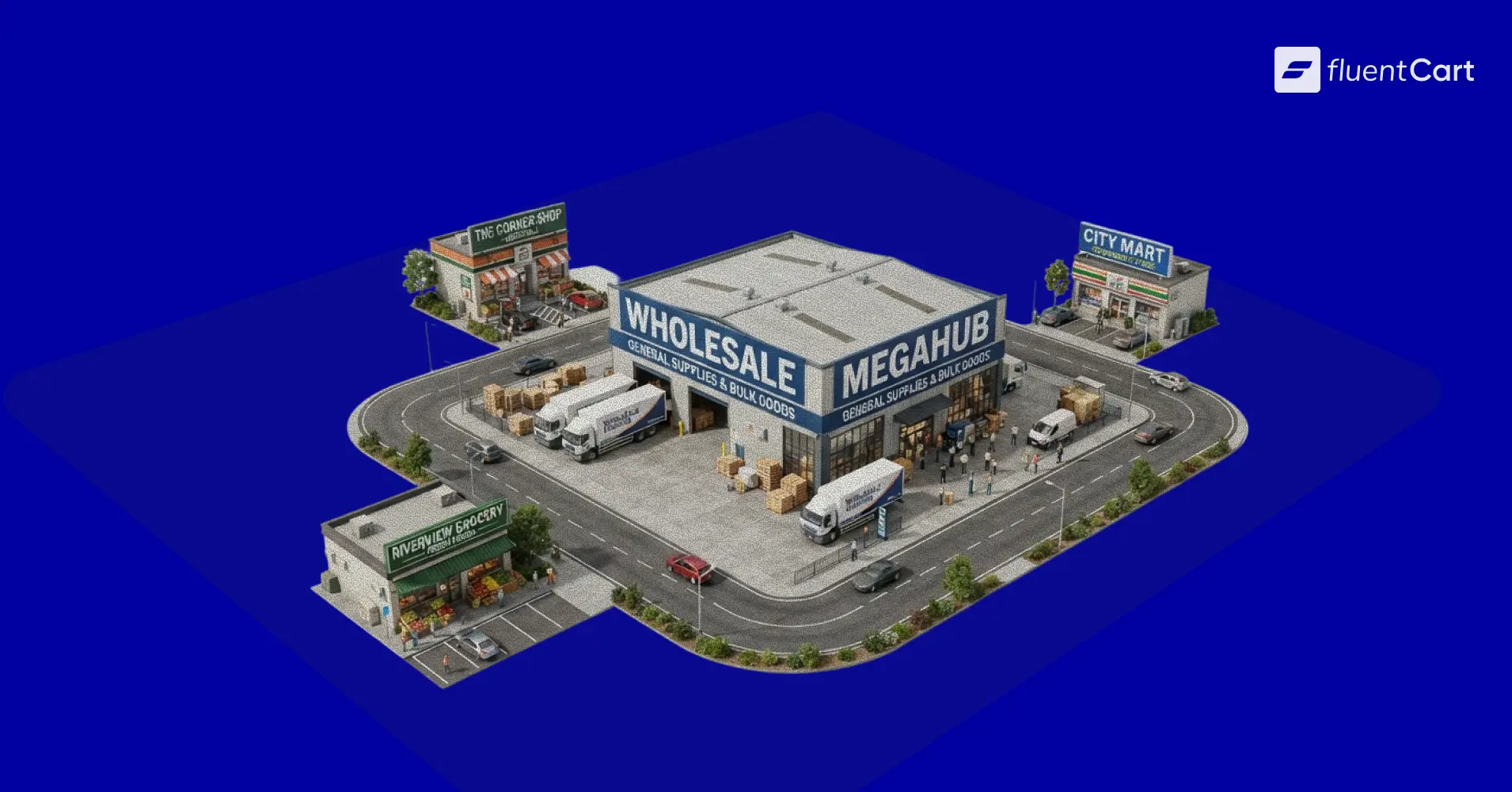
Everyone says you need a lot of money and years of contacts to start a wholesale business. But why? Here’s what you need to know. Most people who actually make it work start smaller than you’d think, and they skip a few steps that everyone else treats as “must-haves.” Keep reading and you’ll see exactly which ones.
You’ve probably already found a product you believe in. What you’re missing is a clear map for how to start a wholesale business, from the first supplier email to the paperwork nobody warns you about.
TL;DR
- You need a resale certificate before you can buy tax-free from suppliers
- Wholesale prices usually sit 50% below retail, so build your price backward from there
- MOQs protect your margin, not your buyer’s convenience
- A written wholesale agreement stops disputes before they start
- Check a new retailer’s credit before you let them pay you later
- Have a plan for the cash gap between paying your supplier and getting paid yourself
- Sales tax and VAT rules for wholesale change by country and state, don’t assume you’re exempt everywhere
- Storage, shipping, and insurance cost more than most beginners plan for
- B2B marketplaces like Faire can bring your first orders in faster than cold outreach
- Watch for real reorder patterns before you scale, not a gut feeling
What a Wholesale Business Actually Does
Let’s say Mira, in this made-up story, weaves tote bags at home. For two years she sold one bag at a time on Instagram. Then a shop owner called and asked to buy forty bags at once, at a lower price, to sell in her boutique. That one call turned Mira into a wholesaler.
A wholesale business buys goods in bulk, usually straight from a maker, and resells them in smaller batches to shops or other businesses at a lower price than retail. That’s it. Let’s move on.
Here’s what’s actually happening under that simple line. Different wholesalers play different roles in the same chain.
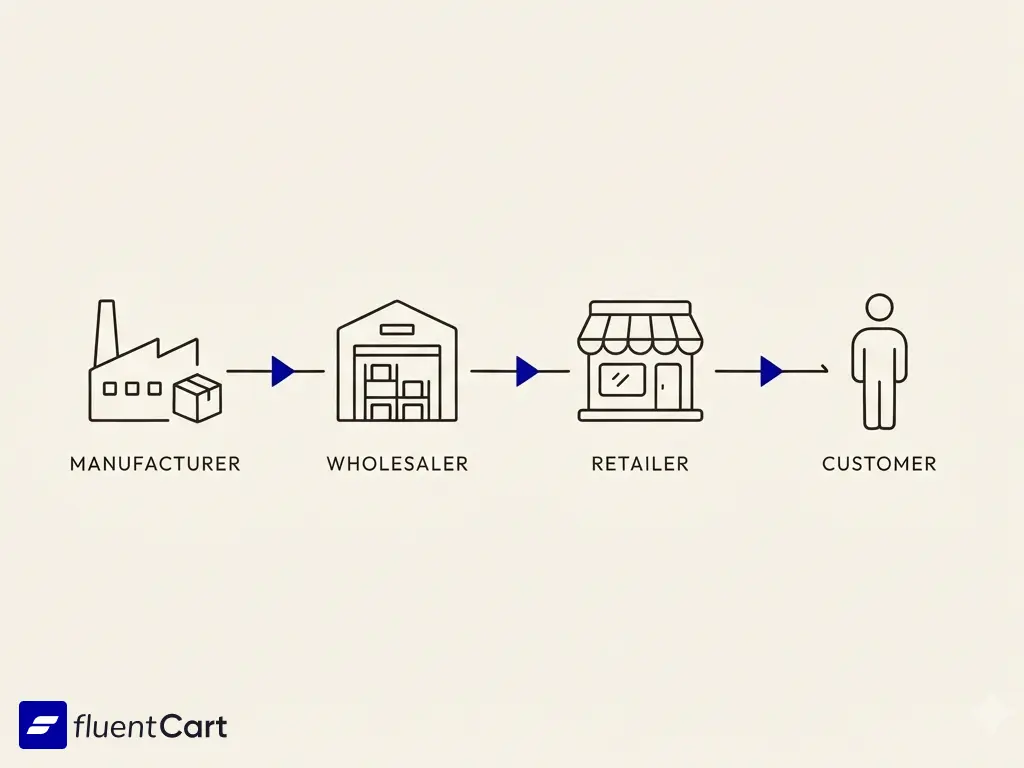
- Merchant wholesalers. Buy the stock, own it, store it, resell it. Most control, most risk.
- Brokers and agents. Never touch the product. Just connect the buyer and the seller for a fee.
- Manufacturer’s sales branches. The factory sells direct, cutting out the middle step.
- Online B2B platforms. Sites like Faire or Alibaba connect you to buyers without you building a sales team from scratch.
So Mira didn’t rebuild her business. She just added a second price list.
How to Start a Wholesale Business Without Spending Too Much on Day One
Here’s the thing about money. A well-known Reddit thread on r/ecommerce asked this exact question, and one reply broke the math down plainly: “$5K of diamonds fit in a matchbox, $5K of toilet paper…” (read the thread). The size and weight of your product decide your storage cost before your budget even does.
That doesn’t mean a small budget is a dead end. It means you match your product to your money, not the other way around. Jewelry, supplements, and phone accessories need almost no storage space. Furniture and large appliances need a warehouse before you sell one unit.
The market itself isn’t shrinking, by the way. US wholesalers reported $772.2 billion in sales for March 2026 alone, up close to 11% from the year before, according to the Census Bureau’s own report. There’s room. The starting point is just narrower than most ads make it look.
If your starting budget is small, try being a broker or agent first instead of a merchant wholesaler. You don’t buy any stock. You just get paid for making the introduction.
Pick a Business Model Before You Pick a Product
Or is it the other way around? Most beginners choose the product first, then try to force a model onto it that doesn’t match their cash. Fix that order.
- Merchant wholesaler. You buy it, you store it, you resell it. Full control, full risk.
- Broker or agent. You connect manufacturers and buyers. Lower risk, lower reward.
- Drop-ship wholesaler. You take the order, the manufacturer ships it out. That way, you never touch the stock at all.
Each model needs a different amount of starting cash. Pick the one that fits what you actually have, not what you wish you had.
The Paperwork That Actually Matters
Most people don’t figure this out until a supplier asks for a document they don’t have. Here’s how it can go: you find a great manufacturer, you’re ready to place your first order, and they ask for your resale certificate before they’ll skip the sales tax on your buy.
- Business registration. LLC, sole trader, or limited company, depending on where you live.
- EIN or VAT number. Needed to file taxes and, most times, to open a business bank account.
- Resale certificate. Lets you buy from suppliers without paying sales tax upfront, since your customer pays it later.
- Industry permits. Food, alcohol, and cosmetics usually need extra sign-off.
None of this feels exciting. But getting your business license sorted before you place an order saves you from losing a supplier’s trust mid-deal.
Tax Rules for Wholesale That Catch People Off Guard
Here’s where things break for a lot of new wholesalers. They get a resale certificate, feel done with taxes, and move on. But why? A resale certificate only covers what you buy from your supplier. It doesn’t decide what happens when you sell.
In most US states, once your sales into that state pass a certain amount, you have to register there and collect sales tax, even if some of your sales are wholesale. Here’s the part that trips people up. Some states, like Illinois, don’t count your wholesale sales toward that limit. Other states, like Texas, California, and New York, count them anyway. So the same business can owe tax in one state and not another, for the exact same kind of sale.
Some habits that keep you safe:
- Keep every resale certificate you collect from buyers on file. If a state ever asks, “prove it,” you need the paper.
- Check the resale certificate rule for every new state you sell into, not just your home state.
- If you sell into the UK, VAT registration becomes compulsory once your taxable turnover passes £90,000 in any rolling 12-month period, not a fixed tax year. Below that, B2B wholesale sales often still qualify for the reverse charge, where your business buyer accounts for the VAT instead of you. The EU works on similar B2B principles, but each member state runs its own registration process.
- If you’re outside the US, UK, or EU, the paperwork still exists, it just has a different name. Ask your local tax office what the equivalent of a resale certificate and a sales tax or VAT registration threshold looks like where you are, before you assume US rules apply.
That way, a tax bill doesn’t show up months later and wipe out a quarter’s profit.
Choosing What to Sell (and Who to Buy It From)
This is where things break for a lot of first-timers, too. They pick a product they personally love instead of one people actually reorder. Loving a product doesn’t cover a warehouse bill.
Think about these before you settle on a niche:
- Seasonality. Coats sell in winter. Some products barely move by season at all.
- Profit margin. If a mug costs you $2 and sells wholesale for $8, that’s your real number.
- Size and weight. Jewelry ships cheap. Furniture doesn’t.
- Purchase frequency. Pet food and printer ink get reordered often. Home decor doesn’t.
Home decor, clothing, pet supplies, and specialty food are common places to start, and for good reason. They’re easier on MOQs and they get reordered often. Before you lock in a niche, do some real market research instead of trusting your gut alone.
Once you know what you’re selling, check suppliers the way a bank checks a borrower. Ask for samples. Look at their certificates. Read reviews from other wholesale buyers, not just the praise on their own website. Never rely on just one supplier, because one missed shipment can freeze your whole business.
Setting MOQs and Pricing That Actually Protects Your Margin
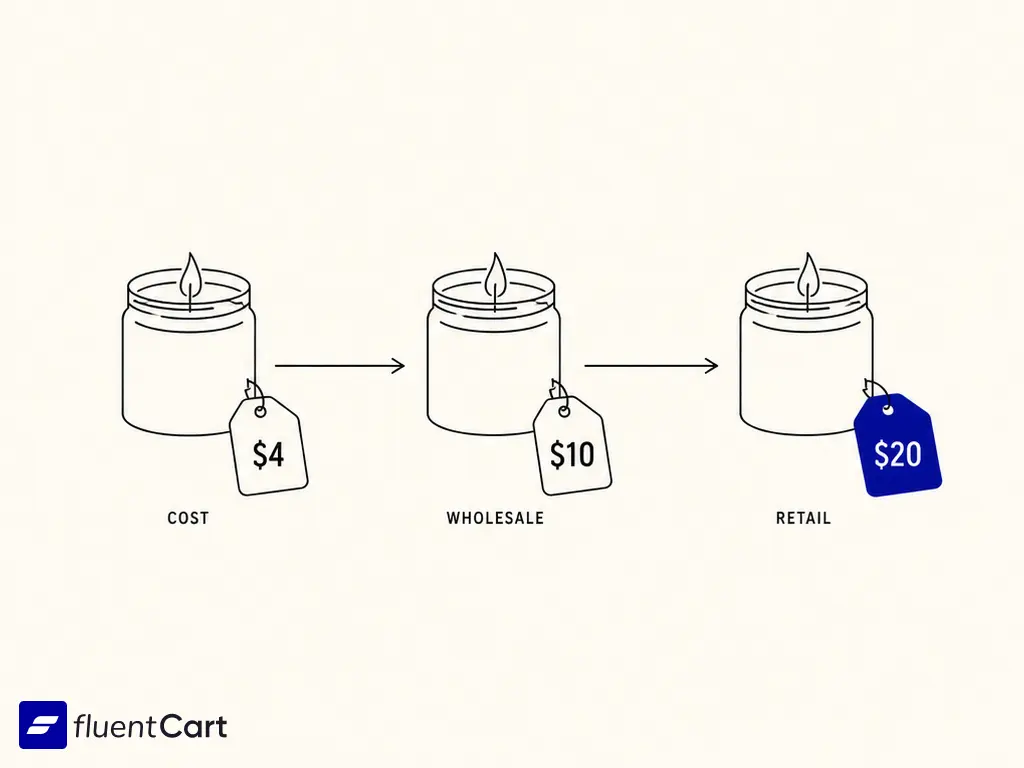
You never let a number just sit there without showing your work. So here’s a made-up but realistic example. Let’s say a candle costs you $4 to make. Sell it wholesale at $10 and you’re at a 60% margin. Your retailer then sells it for $20, doubling their money too.
That’s the whole point. Everyone in the chain needs room to profit, or nobody reorders.
Minimum order quantities work the same way. Set them too low and every order barely covers your packing cost. Set them too high and new shops walk away before they even try your product. A starting MOQ of $200 to $300, or 20 to 30 units, is common for small wholesale businesses testing a new product.
Get the margin math wrong here and everything after it gets harder to fix.
Put the Wholesale Agreement in Writing
Most first-time wholesalers run their first few deals over email and a handshake. That works right up until a shop wants to return half an order, or sells your product for less than you agreed, or simply stops paying. Then you’re stuck with no paper to point to.
A short wholesale agreement doesn’t need a lawyer to draft the first version. It just needs to cover:
- Pricing and MOQ. What they pay, and the smallest order you’ll accept.
- Payment terms. Due on order, or net 30, and what happens if a payment is late.
- Minimum advertised price. The lowest price they’re allowed to resell at, so one shop doesn’t wreck your pricing for everyone else.
- Returns and damaged goods. Who pays for what, and within how many days.
- Ending the deal. How either side can walk away, and with how much notice.
That way, if something goes wrong six months in, you’re pointing at a page instead of arguing over what someone remembers from a phone call.
Check a Retailer’s Credit Before You Let Them Pay Later
Here’s what’s actually happening once you start getting real orders. New retailers will ask for net 30 or net 60 terms, meaning they get the goods now and pay you later. Say yes to everyone, and one slow-paying customer can freeze your cash for months.
Most wholesalers handle this the same simple way:
- Start new customers on prepayment. They pay before you ship, until they’ve built a track record with you.
- Ask for a short credit application. A few basic details about their business and how long they’ve been trading.
- Move trusted buyers to net 30 later. Once they’ve placed a few orders and paid on time, extend the terms.
You’re not being difficult by asking for this. You’re protecting the same cash flow that keeps your suppliers paid too.
Financing the Gap Between Shipping and Getting Paid
So you’ve checked their credit and you’re still offering net 30. Here’s the problem nobody warns you about. You still had to pay your own supplier upfront, weeks before your retailer pays you back. That gap is where a lot of wholesale businesses run out of cash, even while they’re profitable on paper.
A few ways people bridge it:
- Invoice factoring. You sell your unpaid invoices to a lender for a fee, and get most of the cash right away instead of waiting weeks.
- Purchase order financing. A lender pays your supplier directly for a confirmed order, so you’re not fronting the cash yourself.
- A business line of credit. You draw on it when cash is tight, and pay it back once your customer’s invoice clears.
None of these are free, so weigh the fee against what the delay actually costs you. But going in without a plan for this gap is how a business with real sales still misses payroll or a supplier deadline.
Storage, Shipping, and the Logistics Nobody Plans For
Here’s what’s actually happening once orders start coming in. The product itself was never the hard part. Getting it from your storage space to a shop’s back door, on time and undamaged, is where new wholesalers lose sleep.
You’ve got two real choices:
- In-house storage. A spare room, a garage, eventually a small warehouse. Full control, but you carry every delay yourself.
- Third-party logistics (3PL). You pay someone else to pick, pack, and ship. Costs more per order, saves you from hiring a warehouse team too soon.
Good inventory habits matter more here than almost anywhere else in the business. Too much stock ties up cash you need elsewhere. Too little loses you a buyer who won’t wait for a restock. Check it every week, not every few months, and if your store already runs on FluentCart, its inventory tracking will flag low stock for you before a retailer does.
Building Your First Sales Channel
Most people don’t figure this out until a shop owner asks, “So how do I actually place an order?” Have an answer ready before that question comes.
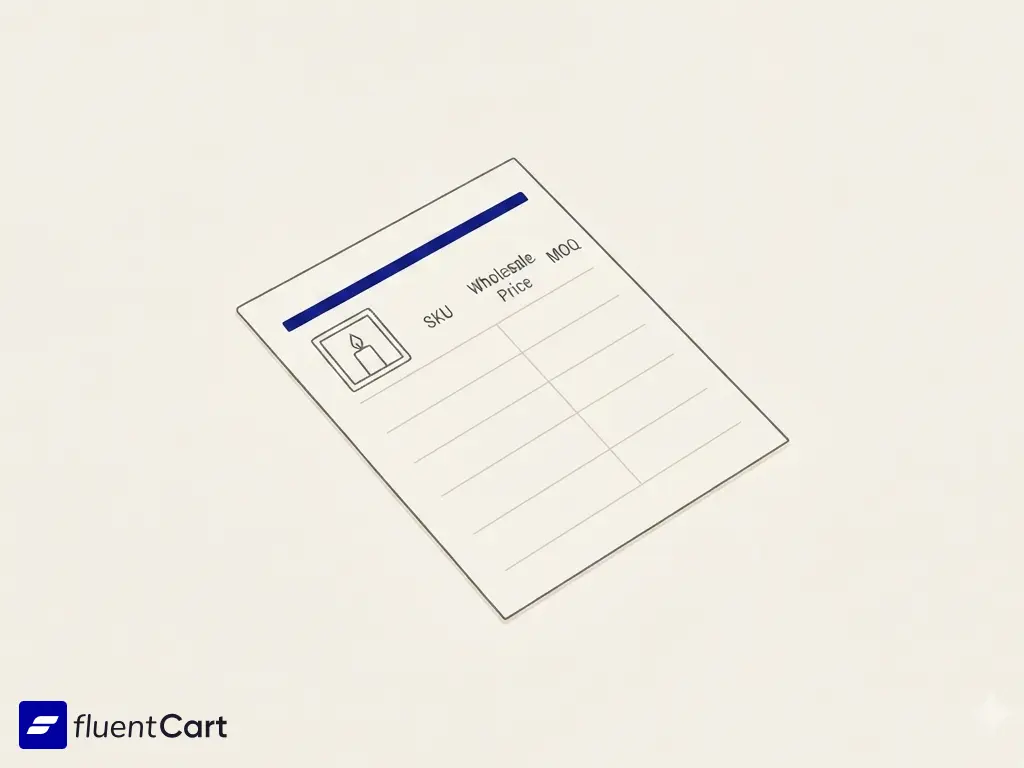
Start simple. A one-page line sheet with product photos, wholesale prices, and your MOQ is enough to look professional on day one. If you’re already running your store on WordPress, something like FluentCart just handles the product catalog, pricing, and checkout side of this for you, without needing a separate system bolted on.
You don’t have to find every buyer yourself, either. B2B marketplaces like Faire, Abound, and Handshake already have retailers browsing for new suppliers, and they handle the ordering and, often, the first-order risk for you. Alibaba works the same way if you’re selling in bulk internationally. The trade-off is a cut of each sale and less control over who buys from you, but it’s a fast way to get your first few orders while you build a client list of your own.
From there, go to independent shops before you chase big chains. They’re more open to a new supplier, and they give you feedback faster. Trade shows work too, but plan for the cost. Booth fees and travel add up fast for a business that hasn’t turned a profit yet.
The Risks That Actually Sink Wholesale Businesses
It’s rarely competition or a weak logo that ends a wholesale business. Here’s what actually does it.
- Unsold stock. It isn’t cash sitting quietly on a shelf. It’s money you can’t use anywhere else, slowly losing value the longer it sits.
- Slow-paying buyers. Net 30 or net 60 terms mean you ship today and wait weeks to get paid. Plan your own bills around that gap, not around the invoice date.
- Chargebacks. Some shops charge suppliers a penalty, often 1% to 5% of the invoice, for late or wrongly labeled shipments. A small brand that gets this wrong on a big order can owe a large sum back before its next batch even ships.
None of this means don’t start. It means go in with your eyes open, and keep enough cash in hand to survive a slow month.
A Few More Things Before You Launch
Here’s what’s actually happening once you’re this deep into planning. A few small habits, easy to skip, quietly decide whether year one goes smoothly or not.
- Get real business insurance, not just liability. General liability covers injury or damage a product causes. Product liability covers a defect claim specifically. If you’re holding stock in a warehouse, ask about cargo or inventory insurance too, since fire, flood, or theft can wipe out a season’s stock in one bad night. None of these cost much next to what one real claim would cost you.
- Open a separate business bank account. Mixing personal and business money makes tax season painful and makes it harder to prove your numbers if a bank or supplier ever asks.
- Check product quality before you accept a shipment. Open a few boxes, check them against the sample you approved, before you pay the final invoice. Catching a bad batch before it reaches a retailer is far cheaper than after.
- If you’re importing, check duty costs before you commit. Import tariffs on goods brought into the US change often and depend on the country you’re buying from, so get a real number from your supplier or a customs broker before you price your first order. Don’t guess.
None of this takes long to set up. But each one is the kind of thing people only fix after it costs them money once.
Signs It’s Time to Scale
Here’s what’s actually happening once your first cycle is working. Most people either scale too early, before one product line is stable, or wait too long out of fear. Watch for the real signals instead of guessing.
- You’re hitting your MOQ within days of restocking, not weeks
- The same retailers keep reordering without you chasing them
- You’ve paid off your first order and still have cash left over
- A retailer asks for more stock than you currently carry
One or two of these showing up together is a real signal, not a lucky month. That’s when it’s worth adding a second product line, a second supplier, or moving from a spare room to real storage. Scaling before any of these show up just multiplies whatever isn’t working yet.
Wrapping Up
Here’s what’s actually happening once you strip away the noise. Buying in bulk and reselling in smaller batches was never the hard part. The paperwork, the written agreement, the credit check, and the cash gap between paying your supplier and getting paid yourself, that’s what actually decides who’s still standing after year one.
Is all of that complex? Without a doubt. But is it worth it? Here’s the honest answer to how to start a wholesale business the right way: yes, if you treat it like a business and not a shortcut. Wholesale scales in a way few other models do. One supplier relationship handled well opens the door to five more.
One retailer that keeps reordering brings referrals with it, without you spending a dollar on ads. And plenty of wholesalers don’t stay wholesalers forever, some grow into running their own manufacturing line once they know their product and their market well enough to make it themselves instead of just moving it for someone else.
None of that starts on day one, though. It starts with one small order, done right. Get that first cycle working before you touch a second one. That’s the real shape of how to start a wholesale business: it is a must, and it’s the smallest step between where you are now and a business with a much higher ceiling than it looks like from here.

Hi, this is Abir, a Deputy Marketing Lead, passionate product designer, and WordPress core contributor. Creating interesting content and products that ensure a 360-degree customer experience is my daily job.

Subscribe now
Related Articles and Topics
-
Wholesale Pricing: A FluentCart Guide for WordPress Store Owners
Learn how to set up wholesale pricing. Using FluentCart for this, you get five practical methods, from simple…
-

eCommerce Laws in 2026: The 8 Rules Regulators Are Fining Stores Over
The 8 ecommerce laws regulators fined stores over in 2025 and 2026.
-
Digital Product Ideas for Passive Income: The Complete Roundup
Real digital product ideas, real numbers, and the honest truth about what passive income actually costs and what…




Leave a Reply