
eCommerce Management: The Complete Guide for an Online Store
Which eCommerce websites are sustainable in the long run? To which eCommerce stores do customers return again and again? The answer to all these questions is eCommerce Management.

Published: January 6, 2026
Updated: January 14, 2026
You will find thousands of eCommerce websites in the market. Many of them are doing well. But which ones are sustainable in the long run? Who can truly take their business to unique heights? To which eCommerce stores do customers return again and again?
The answer to all these questions is eCommerce Management. Those with top-notch management are the ones whose customers keep coming back. Not only that, these customers eventually become brand advocates, encouraging others to buy from them as well.
That is when businesses reach new heights and become sustainable in the long run.
Today, we will discuss eCommerce management. This article will be a complete guide, covering everything from starting a business to making it successful. So, if you already have a business or intend to start a new one, this article could be the first step for your venture.
Let’s get started. But first, the key takeaways for the skimmers.
Key Takeaways
Five pillars build sustainable eCommerce: Inventory, marketing, customer experience, operations, and analytics must work together. Weakness in one compromises everything.
Speed is non-negotiable. Site load times, order processing, and delivery all shape trust and conversions.
Email is your most valuable asset. Owned channels compound over time. Automation turns one-time buyers into ongoing relationships.
Make returns effortless. A painless return process builds more loyalty than a perfect first transaction.
Track behavior, not demographics. Segment by actions like browsers, one-time buyers, churning customers and message accordingly.
Test, don’t guess. A/B test everything. What you think converts and what actually converts are different things.
Mobile comes first. Most traffic is mobile. If your checkout fights thumbs, you’re losing money daily.
Retention beats acquisition. Keeping customers costs five times less than finding new ones. Invest accordingly.
Fix your biggest constraint first. You can’t optimize everything at once. Find the one bottleneck unlocking the most value.
Continuous improvement wins. Markets shift constantly. Build systems that evolve, not static solutions chasing perfection.
eCommerce Management
In a traditional retail business, you manage inventory, store operations, products, and customers all from a single location. However, eCommerce is different. It involves dependencies across multiple endpoints.
eCommerce management relies on five individual pillars. When these are maintained together effectively, it can be defined as Good Management.
- Inventory & Supply Chain: Keeping the right products in stock at the right time and maintaining strong relationships with suppliers.
- Marketing & Customer Acquisition: Finding new buyers through SEO and advertising, and driving them to your website.
- Customer Experience & Retention: Providing top-tier service so that customers don’t just buy once and disappear, but keep coming back.
- Operations & Order Fulfillment: Ensuring lightning-fast delivery and keeping the return process simple and hassle-free.
- Analytics & Optimization: Analyzing data to identify business flaws and making informed decisions for growth.
The critical point is that these five pillars are part of an integrated framework for your eCommerce business. If even one pillar weakens, the entire business’s stability is compromised.
If your marketing is excellent, but your fulfillment or delivery system is weak, your customer experience will collapse. Conversely, your operations might be highly efficient, but without data analytics, you are essentially running your business in the dark.
To survive and grow, it is essential to maintain a proper balance and coordination between each of these pillars.
How to Manage an Ecommerce Site: A Strategic Framework
Here’s where we go deep into the operational engine of your ecommerce business. This framework will give you the structure to transform chaos into clarity and effort into leverage.
eCommerce Inventory Management & Supply Chain
Inventory and supply chain decisions shape everything in eCommerce, from cash flow to customer trust. When stock is managed well, growth follows. When it isn’t, even strong sales can’t save the business.
Know how fast products actually move.
Good inventory management starts with real numbers, not guesses. Track how long stock lasts, how often items turn over, and when to reorder. Automated stock alerts help you act early before sales are lost.
Suppliers are partners, not vendors.
Strong relationships matter more than most people realize. Clear communication, fair payment terms, and mutual trust can save you in tough moments. And never rely on a single supplier. One delay can stall everything.
Balance speed with safety.
Use just-in-time inventory for fast movers. Keep a safety buffer for seasonal or unpredictable items. Forecast demand using past data and trends, but stay flexible. The market rarely behaves perfectly.
Everything must stay in sync.
Your inventory system should connect seamlessly with your storefront and sales channels. When a product sells out, it should update everywhere instantly. Nothing breaks trust faster than selling what you can’t deliver.
Storefront & User Experience Basics
The storefront is your shop, showroom, and salesperson. Every click, scroll, and second of load time either builds trust or pushes people away.
Speed is non-negotiable.
Slow sites kill sales. Compress images, use caching, and run a CDN. One extra second can cost conversions, and mobile users are especially unforgiving. If your site takes more than three seconds to load, many won’t even wait.
Navigation should feel obvious.
No clever tricks. Customers shouldn’t have to think. Clear categories, a visible search bar, and filters that actually help.
Product pages close the deal.
Great images, multiple angles, honest descriptions, clear pricing, and real reviews work together to remove doubt. Answer questions before customers have to ask them.
Mobile comes first.
Most traffic is mobile now. If checkout requires pinching, zooming, or fighting tiny buttons, you’re leaking revenue.
Trust sells.
Security badges, clear return policies, and easy-to-find support details matter. Every page should quietly say: You’re safe here.
Ecommerce Marketing Engine
It’s not an expense, it’s the engine behind every sale. But spending on ads without a clear strategy is just noise, and expensive noise doesn’t scale.
Owned channels compound over time.
Your email list is your most valuable asset. Invite every visitor to subscribe, then nurture customers with relevant content that keeps your brand top of mind long after the first purchase.
Content builds authority and traffic.
Create guides, comparisons, and resources that solve real customer problems. Well-optimized content works around the clock, bringing qualified traffic long after it’s published.
Paid ads need precision.
Start with retargeting people who already know you. Then expand to lookalike audiences. Test creatives, messages, and offers until you find combinations that deliver consistent ROI.
Social media creates connections.
Focus on platforms your customers actually use. Show up consistently with value like behind-the-scenes moments, customer stories, and educational content that builds trust beyond the sale.
Automation scales everything.
Welcome sequences, abandoned cart recovery, post-purchase follow-ups, and win-back campaigns turn one-time interactions into ongoing conversations without adding more manual work.
Ecommerce Fulfillment
The moment a customer clicks “Buy,” operations take over. This is where expectations turn into real experiences and where brands either earn trust or lose it.
Speed sets the standard.
Order processing time matters. Same-day fulfillment isn’t a nice-to-have anymore; it’s expected. Set clear-cut-off times for shipping and stick to them. No confusion. No excuses.
Packaging tells a story.
It’s not just about protection. Packaging is a brand moment. Thoughtful design creates shareable unboxing experiences, while sustainable materials quietly communicate values customers care about.
Shipping is a balancing act.
Speed and cost both matter. Offer multiple options. Some customers want it fast, others want it cheap. Free-shipping thresholds can boost cart value while keeping margins healthy.
Returns shape long-term loyalty.
A painless return process builds trust. Pre-printed labels, clear instructions, and fast refunds turn frustration into confidence. A bad return experience almost guarantees a lost customer.
Visibility reduces anxiety.
Work with reliable carriers and track every shipment. Proactive updates lower support tickets and calm nerves. When delays happen, transparent communication makes all the difference.
Ensure Customer Experience
It is not a single team or department. It is the total of every interaction a customer has with your brand, from first visit to post-purchase support.
Support must be fast and accessible.
Offer multiple channels like email, chat, and phone, but speed matters more than variety. A same-day response builds more trust than several channels with long delays.
Personalization builds real loyalty.
Use purchase history to suggest relevant products. Remember past interactions so customers do not have to repeat themselves. Simple touches like using names and preferences make people feel valued.
Proactive communication prevents frustration.
Order confirmations, shipping updates, and delivery notifications reduce uncertainty. When problems happen, reach out first instead of waiting for complaints.
Feedback keeps you improving.
Post-purchase surveys, review requests, and direct outreach show what is working and what is not. Act on feedback and let customers know their voices led to real improvements.
Small surprises create a big impact.
Handwritten thank-you notes, unexpected upgrades, and thoughtful recommendations cost little but generate strong goodwill and organic word-of-mouth.
KPI Tracking and Re-engagement
You cannot optimize on instinct alone. Clear KPIs turn assumptions into decisions and guesswork into direction.
Track the Right Signals
At a minimum, watch conversion rate, average order value, customer acquisition cost, lifetime value, and cart abandonment. These numbers reveal where growth is leaking and where it is waiting to be unlocked.
Segments Tell the Real Story
Blended data hides the truth. Break performance down by traffic source, product category, and customer cohort. New buyers behave differently from loyal ones. Email traffic converts differently from social. The insight lives in the split.
Win Back Lost Momentum
Re-engagement is a source of revenue. Identify customers inactive for 60, 90, or 120 days and bring them back with intent. Use timely incentives, highlight what is new, and reconnect them to the reason they trusted you the first time.
Behavior Beats Demographics
Target actions, not age or location. Browsers who never bought, one-time buyers who disappeared, and high-value customers showing early churn signals all need different messages. Relevance is what brings them back.
Analytics and Data-Driven Management
Numbers alone don’t grow a business. The real magic happens when you turn data into insights and use those insights to make smarter decisions.
Follow the paths your customers take.
Tools like Google Analytics show where people enter your site, where they drop off, and which clicks actually lead to purchases. Understanding this flow helps you fix leaks and smooth the journey.
See what grabs attention.
Heatmaps show what people click, how far they scroll, and which sections get ignored. Sometimes what looks fine on paper is completely overlooked in reality.
Test instead of guessing.
A/B testing takes the guesswork out of decisions. Headlines, images, button colors, pricing—test one thing at a time and let the data speak. You’ll know what actually moves the needle.
Look at the bigger picture.
Cohort analysis tracks customers over time. Are paid customers sticking around as long as organic ones? Do certain first purchases predict higher retention? These insights shape smarter marketing and long-term growth.
Common Mistakes to Avoid
Even experienced operators fall into predictable traps. Awareness prevents expensive lessons.
Neglecting mobile experience remains shockingly common. Test your entire customer journey on actual mobile devices regularly. What works on your desktop means nothing if 60% of traffic comes from phones.
Complicated checkout processes kill conversions. Every additional field, every extra step, every moment of confusion costs you sales. Ruthlessly simplify. Guest checkout isn’t optional—it’s mandatory.
Poor inventory visibility creates disappointed customers. Selling out-of-stock items, delayed shipment notifications, and backorder surprises destroy trust faster than any competitor could.
Ignoring customer feedback compounds problems. Reviews, support tickets, and survey responses contain gold—both for fixing issues and identifying opportunities. Listen, then act.
Underinvesting in customer retention while overspending on acquisition is backwards economics. Acquiring new customers costs five times more than retaining existing ones. Balance matters.
Supercharge Your eCommerce Management with FluentCart
The framework we’ve covered requires the right tools to execute effectively. While strategy provides direction, implementation determines results. FluentCart streamlines the operational complexity of ecommerce management, giving you back time to focus on growth instead of maintenance.
Gutenberg Editor for Products
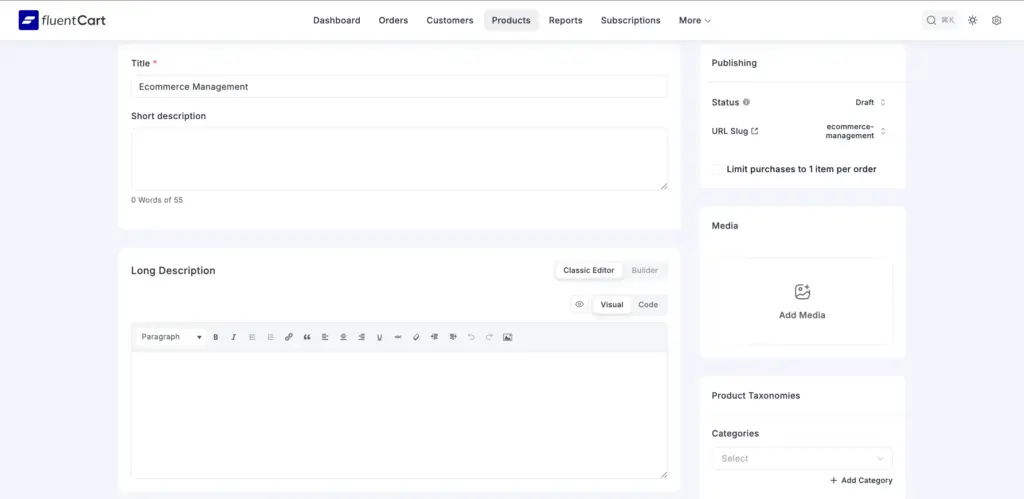
Create product pages the same way you write posts. Use blocks to design layouts, add videos, comparison tables, and FAQs without code. Your products explain themselves instead of feeling like a spec sheet.
Inventory Management
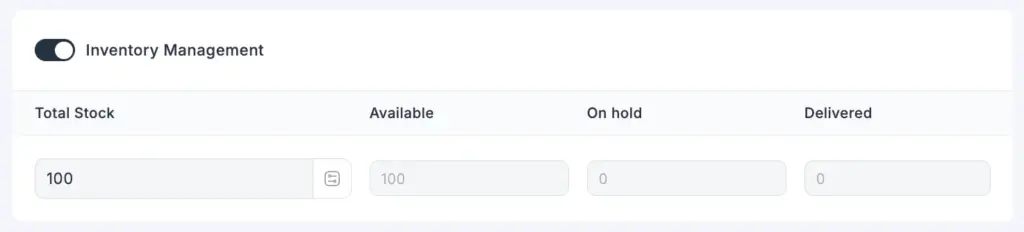
Always know what is in stock and what needs attention. Track products in real time, get low-stock alerts, and see what sells fast or stays stuck. Fewer surprises. No manual tracking.
Price and Profit Management
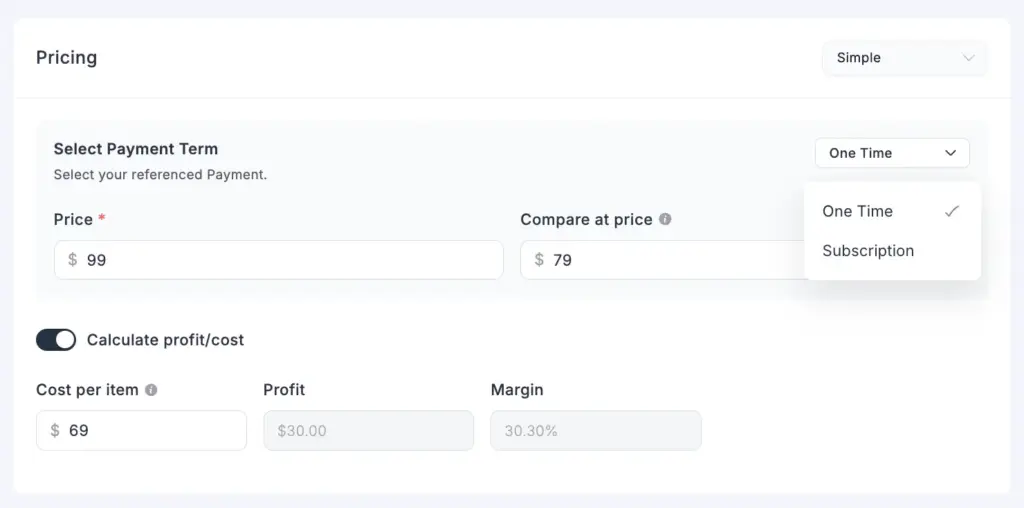
See real profit, not guesses. Product cost, fees, and shipping are all included. Test prices, run discounts, and stay confident that every sale still makes sense.
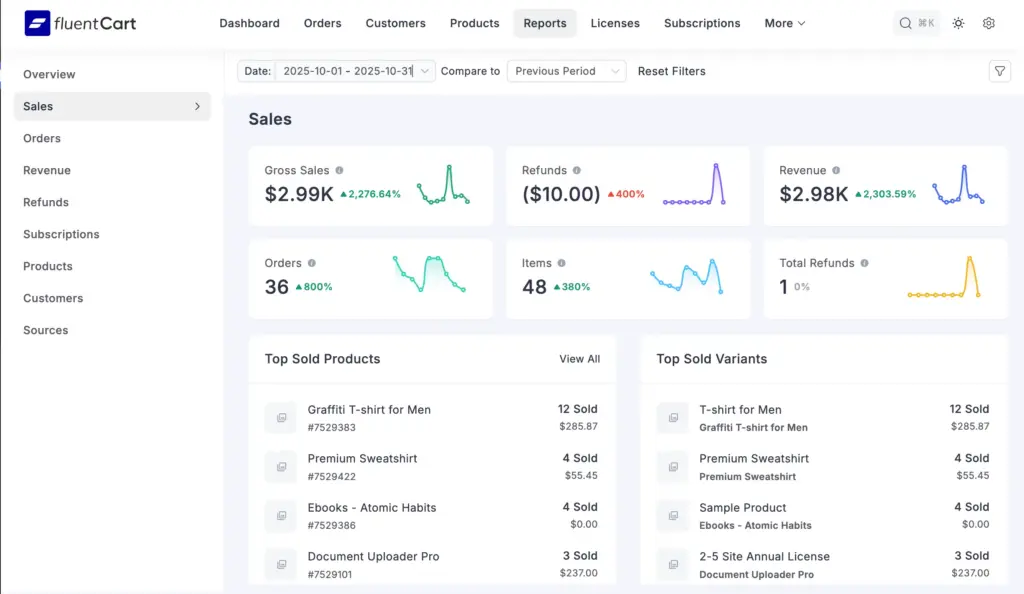
Report Analytics
Understand what is working at a glance. Track sales trends, top products, and customer buying habits. Clear visuals help you spot problems early and find growth opportunities faster.
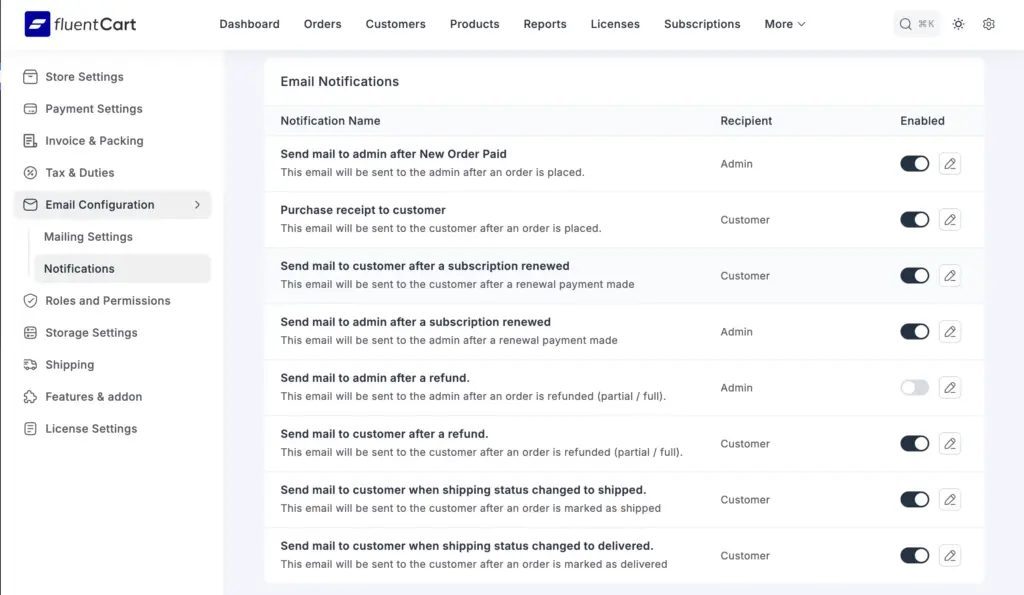
Built-in Email Notifications
Keep customers updated automatically. Order confirmations, shipping updates, refunds, and follow-ups run on their own. Every message builds trust without extra effort.
Taking Control of Your Ecommerce Success
Managing an ecommerce site successfully isn’t about working harder—it’s about building systems that work smarter. This framework gives you the structure to move from reactive firefighting to proactive optimization.
Start by auditing where you are now. Which elements of this framework need immediate attention? Where are you strongest? Where are the gaps?
Then prioritize ruthlessly. You can’t fix everything at once. Focus on the constraint—the one element that, if improved, would unlock the most value across the entire system.
Build incrementally. Small improvements compound. A slightly faster site, a marginally better checkout process, modestly improved email campaigns—each creates momentum. Together, they transform performance.
Remember that ecommerce success isn’t a destination; it’s a process of continuous improvement. Markets shift, customer expectations evolve, and technology advances. The framework remains constant, but how you execute within it must adapt.
Your ecommerce site isn’t just a digital storefront. It’s a system for creating value, delivering experiences, and building relationships. Manage it with that lens, and you won’t just run a store, you’ll architect a business that endures.
Related Articles and Topics
-
What Is Petty Cash? Examples, Uses, and Smarter Alternatives
Learn what petty cash is, how the imprest system works, how to record and reconcile it, and whether…
-
What Is Order Management? (And Why It Gets Messy Fast) [Guide]
Order management is the process of order capturing, tracking, and fulfilling customer orders. The order management process begins…
-

SKU: Definition, Examples, and How to Use It for Your Store
Learn what SKU means, how stock keeping units work, and how to create SKU codes for your ecommerce…
-

What Is FIFO? How It Works in Retail & eCommerce
Learn what is FIFO (First In, First Out), how it works, and also why it matters for your…
-

What Is Liquidation? Process, Types & Who Gets Paid
Understand what liquidation means, its types, step-by-step process, and who gets paid first when a company is dissolved.
-
What is Retail? Definition, Types, and How It Works in 2026
Learn what retail means, how the supply chain works, types of retail businesses, and what makes a successful…
-
What Is a UPC and How to Get a Universal Product Code
Universal Product Code (UPC) explained. Learn how UPCs work, how many you need, GS1 vs resellers, and retailer…
-

eCommerce Accounting 101: How to Track Finances in 2026
I’ve worked with enough eCommerce brands to spot a pattern pretty quickly. The ones that struggle usually aren’t…
-
How to Write A Return Policy In 2026
In this post we have covered how to write a return policy that not just earn customer trust…




Leave a Reply