
Best Dropshipping Niche: What’s Your Best Bet
Dropshipping. Is it that exciting business where you do the marketing and someone else makes and ships the product for you? It’s the dream. So one weekend, for maybe some extra money or just for fun, your choice, we started looking for the best dropshipping niche.
You shortlisted a few because they sounded exciting, or because someone online said it was the ultimate niche for guaranteed profit. Probably bookmarked three of them. Then you started to notice every other person online selling the same thing you just picked, the niche that promised the guaranteed large profit. Who would you beat, the thousand stores already selling the same candles?
Well, you have to understand your niche before you get into it. Let’s dive in.
TL;DR
5 Best Dropshipping Niches Worth Building a Store Around in 2026
Skip the fifteen-item lists for a second. These five hold up because each one has real, sourced demand behind it, plus enough room inside the category to carve out an angle that isn’t already crowded.
1. Home Accessories and Decor
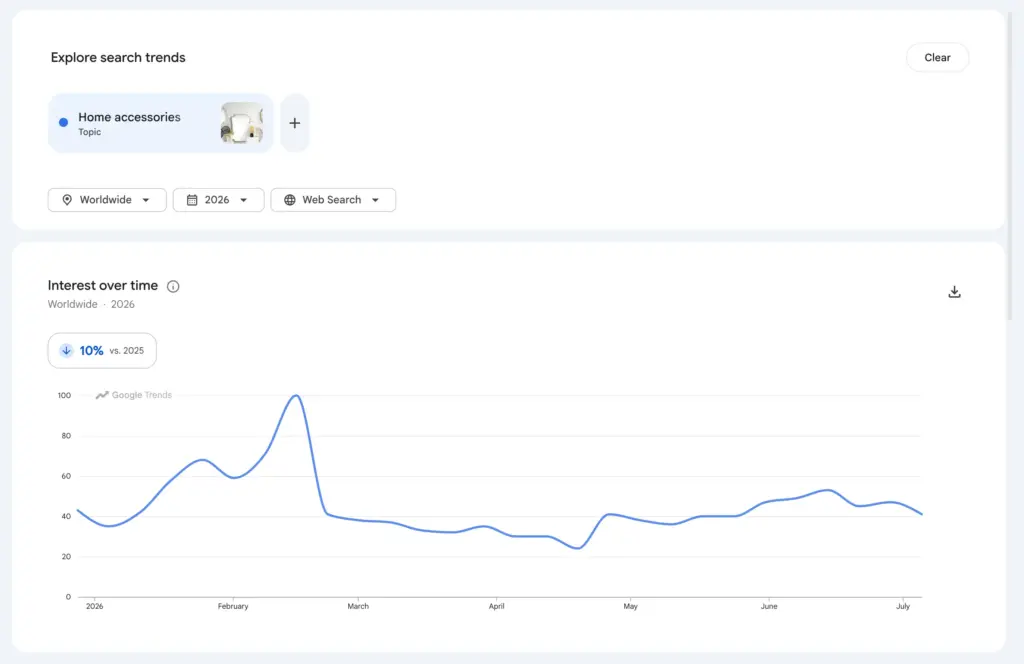
The global home decor and accessories market was worth $802.26 billion in 2025 and is projected to reach nearly $1.3 trillion by 2034. That’s not a niche by any normal definition. It’s massive, which is exactly the problem and the opportunity at once.
Broad “home decor” stores lose to specific ones every time. A candle shop selling everything to everyone loses to a candle shop built for renters who can’t repaint their walls. Worth testing: removable wall art, tension curtain rods, and peel-and-stick accents for the renter crowd, or minimalist accessories aimed at first-apartment buyers.
2. Skincare Products
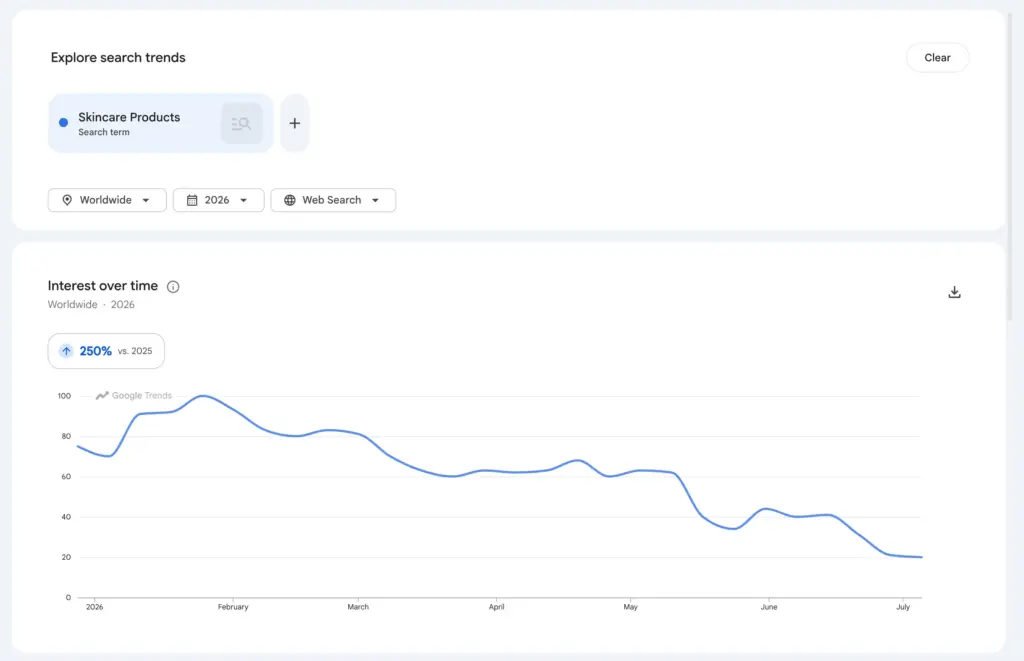
Skincare products are a repeat-purchase category, and repeat purchases are what actually build a business. The global skincare market was worth $122.11 billion in 2025 and is expected to hit $227.13 billion by 2034.
The catch: trust does the heavy lifting here, not price. A buyer is putting your product on their face, so vague claims and stock photography tank conversion faster than almost any other category. Fragrance-free lines for sensitive skin, men’s grooming, and ingredient-forward positioning with real sourcing details all still have room.
3. Pet Supplies
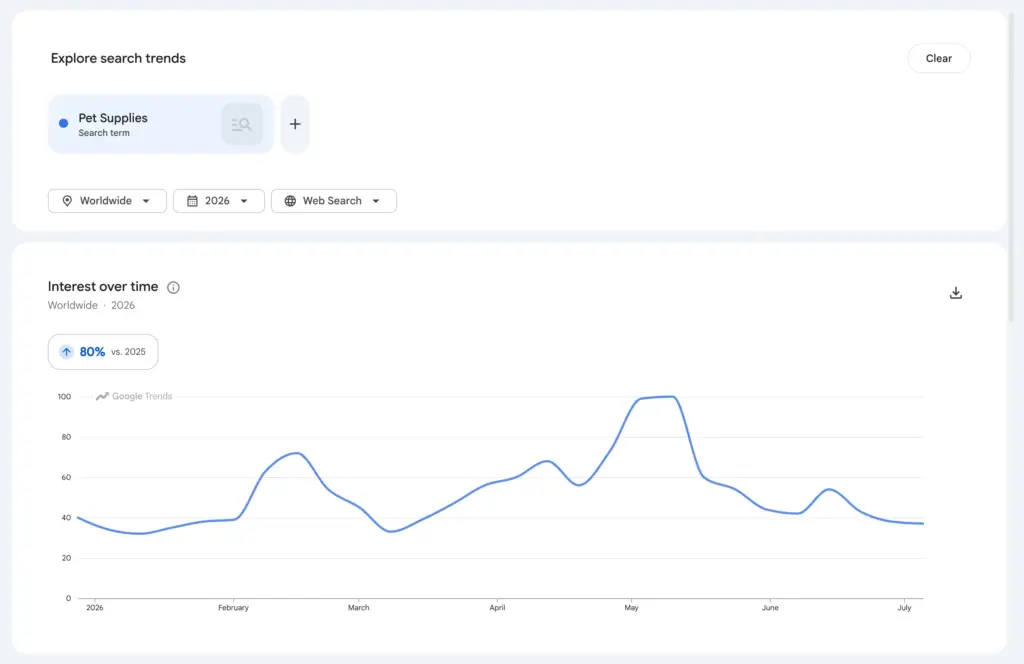
Pet owners spend on their pets the way most people won’t spend on themselves. The global pet care market was valued at $273.42 billion in 2025 and is projected to reach $499.06 billion by 2034.
The angle that works here is emotional, not functional. Orthopedic beds, interactive treat dispensers, and grooming tools sell because owners are happy to spoil an animal they see as family, and that willingness doesn’t fade with the economy the way discretionary spending usually does.
4. Eco-Friendly and Clean Products
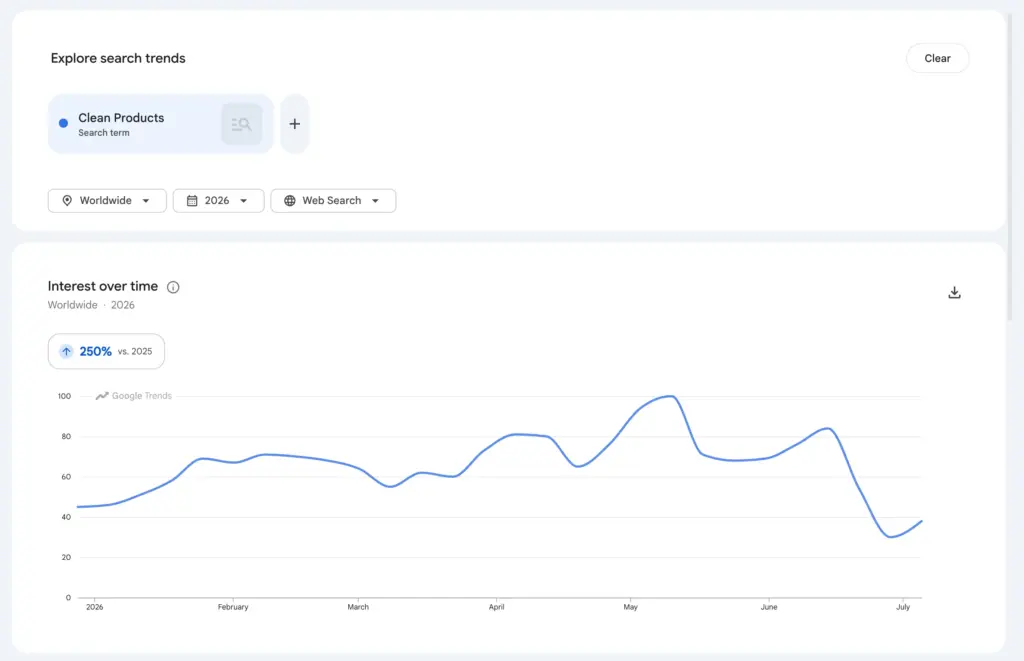
Consumers say they’ll pay more for sustainability, and the data backs it up. Despite ongoing cost-of-living pressure, 80% of consumers report they’re willing to pay a premium for sustainably produced goods, averaging 9.7% more.
Here’s what’s actually happening in this niche: shoppers are also skeptical of vague “eco-friendly” labels with nothing behind them. Reusable food wraps, solid shampoo bars, and bamboo-based goods work when the product page names the actual materials and sourcing, not just the word “sustainable.”
5. Baby and Maternity Products
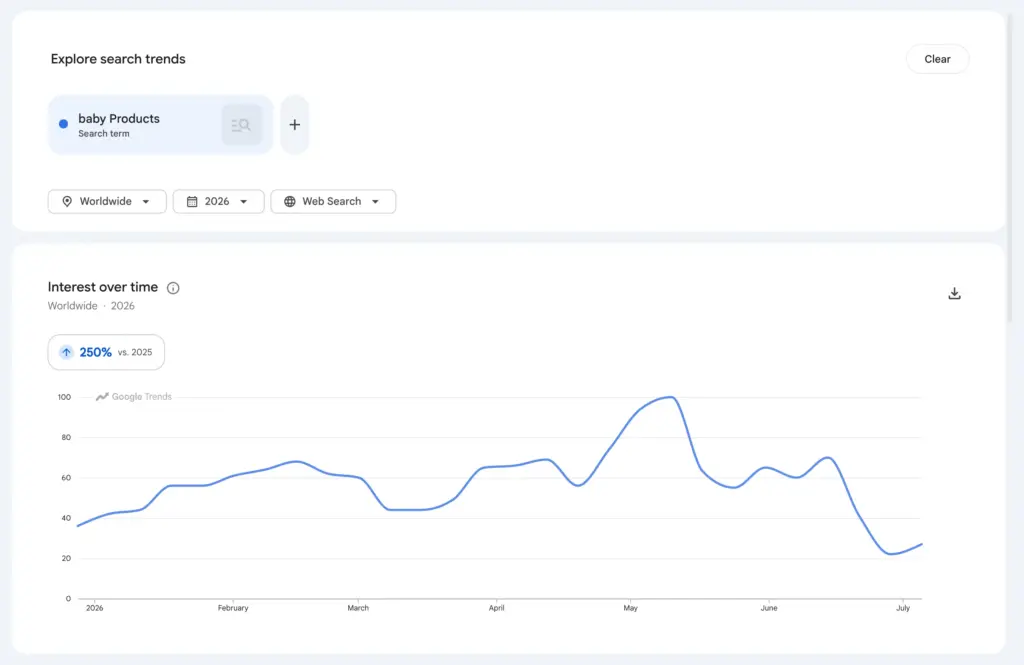
New parents enter this market every year without fail, which makes it one of the steadiest categories on this list. The global baby care products market was valued at $254.27 billion in 2025 and is projected to climb to $488.43 billion by 2034.
This niche rewards trust and safety messaging over flashy marketing. Multifunctional diaper bags, teething toys, and non-contact thermometers all sell well, but parents research harder before buying for a baby than they do for themselves, so product detail and social proof matter more here than almost anywhere else on this list.
How to Find a Dropshipping Niche (This Is How We Found These Five)
Finding a dropshipping niche means confirming demand actually exists before you build a store around a guess. Here’s what that looked like for the list above, so you can run the same process on your own idea.
We started with the same page-one search results anyone researching “best dropshipping niche” would land on, plus Google’s AI Overview for the term, checked across both the US and UK. Pet supplies, home decor, skincare, baby products, and eco-friendly goods kept surfacing across nearly every source, competitors and AI summaries alike.
Instead of taking that agreement at face value, we cross-checked each one against a live market-size report and a willingness-to-pay survey, the same sources linked throughout this piece. Where the search results leaned entirely on recycled listicles with no real data behind them, we left that niche off.
Here’s how to run that same check on any niche you’re considering.
Google Trends
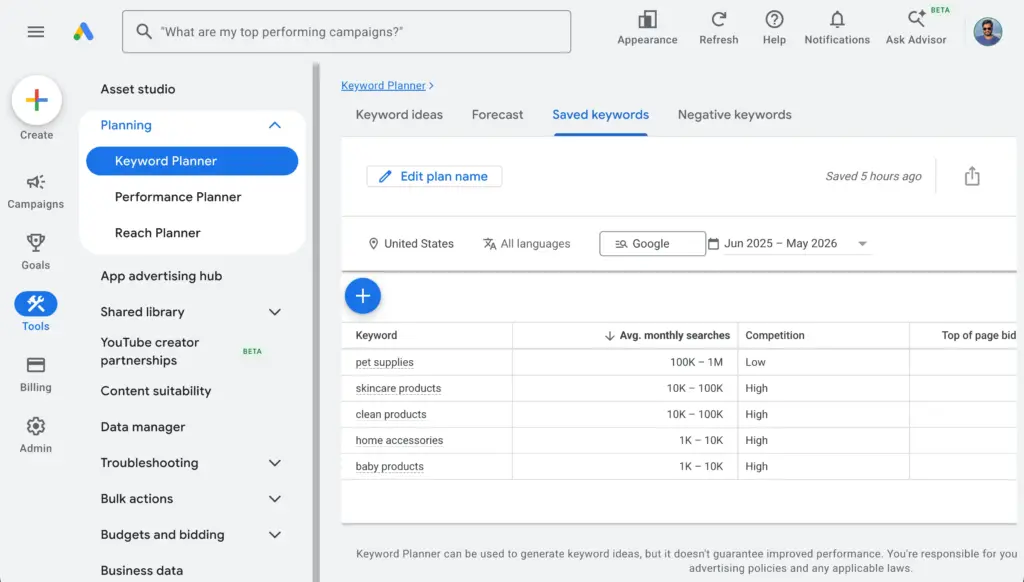
Type the niche into Google Trends and look at four things:
- Interest over time. Steady or rising is good. A sharp spike followed by a decline means you’ve found last year’s trend, not next year’s
- Breakout and rising related queries. These surface sub-niches before they show up in a “best dropshipping niche” list
- Regional interest. Useful if you’re running geo-targeted ads instead of a global store
- Seasonality. Home decor holds fairly steady with a mild bump every January. Skincare tends to climb without the same seasonal dips, which is closer to the repeat-purchase signal worth chasing
Google Keyword Planner
Unlike Trends, this one isn’t walk-up-and-use. You’ll need a free Google Ads account first, and getting to Keyword Planner without setting up a real ad is the annoying part. Google changes this flow often enough that a fixed set of button names isn’t reliable advice, on some accounts you’ll see a Switch to expert mode link on the campaign setup screen, on others Google skips straight to “Create your first campaign” with no visible bypass at all.
If you don’t see an expert-mode or “skip” option, you can usually still get through the campaign setup screens without spending anything: fill in the minimum required fields, and stop before entering payment details or confirming the campaign launch. Once you’re past setup, go to Tools and settings > Keyword Planner.
Once you’re in, three settings matter more than the raw search volume number:
- Match type. Use exact match, broad match will inflate the numbers and give you a false sense of demand
- Search location. Check local volume for the market you’re actually selling into, not just global
- Long-tail variations. A term like “fragrance-free moisturizer for sensitive skin” tells you more about buying intent than “skincare” ever will
Marketplace and review checks
Scan bestseller lists on Amazon, Etsy, or TikTok Shop for the category, then actually read the reviews, not just the star ratings. Complaints about a competitor’s product are usually the clearest gap you’ll find, and they’re a lot more reliable than a “top 10 niches” post that gets recycled every January.
None of this replaces the validation work below once you’ve narrowed down to one niche, but it’s the difference between picking from a hunch and picking from evidence.
Narrow Down to Your Selected Niche
“Home decor” isn’t a niche you can build a store around. It’s a category with a dozen niches hiding inside it: furniture, decor for renters, decor for design-obsessed buyers, smart home add-ons, wall art, craft supplies.
Same goes for every other category on the list above. Confirming demand exists, the way the last section walked through, is only step one. Step two is narrowing that category down to something specific enough to actually market.
Most businesses don’t figure this out until after launch: a store that sells “home decor” to everyone converts worse than a store that sells removable wall art to renters specifically. The narrowing isn’t optional, it’s the actual positioning work.
A simple way to narrow any of the five niches:
- Audience. Renters vs. homeowners, new parents vs. second-time parents, beginners vs. hobbyists
- Price band. Budget accessories vs. premium, higher-ticket pieces
- Specific problem. Small-space living, sensitive skin, travel-friendly gear
- Style or voice. Minimalist, K-beauty-inspired, eco-conscious, no-fuss and functional
The same tools from the last section do the narrowing for you. A breakout query in Google Trends, or a long-tail phrase in Keyword Planner, usually points straight at the sub-niche. “Home decor” tells you almost nothing. “Removable wallpaper for rental apartment” tells you exactly who’s searching and what they need.
Run that same narrowing pass across the list above and it looks something like this:
| Broad niche | Narrowed angle |
|---|---|
| Home decor | Renter-friendly, removable wall decor |
| Skincare | Fragrance-free routines for sensitive skin |
| Pet supplies | Orthopedic and mobility products for aging pets |
| Eco-friendly goods | Documented, ingredient-transparent sustainable swaps |
| Baby and maternity | Safety-first gear for first-time parents |
Pick one row, not the whole category, and the rest of your marketing gets a lot easier to write.
Here’s Why the Best Dropshipping Niche Isn’t the Hottest One
Ask ten people how to find the best dropshipping niche and nine will say the same thing: find something trending, get in before everyone else does. Sounds reasonable. So why do the fastest-moving niches also have the shortest shelf life?
On r/dropship, a longtime seller named raj6126 described being the only eBay seller stocking Garmin’s NuVi GPS units after Garmin restricted online sales through his supplier, Petra. He picked up units at will-call in Edmond, Oklahoma, and had the market to himself for two or three months. Then Garmin changed its policy. The market flooded within weeks. Another commenter on the same thread, OfficialGTech8088, put it more simply: “most niches work, you just have to commit” (r/dropship).
That’s the trap with chasing trends. A dropshipping niche is a focused segment of a market built around one type of customer, not a rotating list of whatever’s hot this month.
Here’s what’s actually happening when a niche looks hot online. Everyone sees the same signal at the same time, whether it’s Google Trends, a TikTok sound, or a YouTube ranking video. By the time a category shows up on ten different “best dropshipping niche” lists, the early window has usually already closed.
The dropshipping market itself is expected to grow from $464.4 billion in 2025 to $583.5 billion in 2026, so demand isn’t the problem. Competing on the same trending SKU as everyone else is.
If you’re brand new to the model, it’s worth stepping back and reading up on what dropshipping actually is and whether it’s still worth starting in 2026 before you lock in a category from the list above. The niche only matters once the fundamentals make sense for you. You need to establish yourself as a niche expert on one niche and one niche only.
Where AI Dropshipping Tools Actually Help
AI dropshipping means using machine learning tools instead of manual spreadsheets to find products, draft listings, and build ad creative. That’s it.
Here’s why it matters. Product research used to take days of scrolling AliExpress bestseller pages and cross-checking Google Trends by hand. Now a tool can surface rising SKUs, flag seasonality, and draft ten product descriptions before your coffee gets cold. Automation and AI-driven tools are already streamlining inventory management and order fulfillment across the industry, cutting operational costs for sellers who use them well.
That’s the upside. This is where things break: everyone has access to the same AI tools you do. A faster research process doesn’t create differentiation; it just raises the baseline speed the whole market moves at.
What AI genuinely speeds up:
- Product discovery. Trend aggregators flag rising demand before it hits mainstream search
- Listing copy. A first draft in seconds, though you still need to fact-check specs and rewrite the generic parts
- Ad creative. Testing five hooks in a day instead of a week
- Customer service. Chatbots handle repetitive FAQs so you can focus on real escalations
What AI can’t do for you:
- Tell you if a niche has real repeat-purchase potential
- Replace a genuine buyer persona built from actual customer behavior
- Fix a bad supplier relationship
- Build the brand trust that gets someone to buy skincare from an unknown store
So does that mean AI picks your niche for you? Not quite. It shortens the research phase. It does nothing for the judgment call that comes after, and that judgment call is still yours. If you want a running list of prompts built specifically for store operators, these AI business prompts are a decent starting point, and it’s worth keeping an eye on which trending products are actually moving before you commit ad spend to any of them.
Variations are also where a lot of these niches get messy in practice: five colors, three sizes, two finishes, times a dozen products. If you’re running on WordPress, something like FluentCart just handles that kind of product variation without you needing three extra plugins to make it work.
Before You Spend a Dollar, Run the Margin Math
Research tells you demand exists. It doesn’t tell you whether the specific product you’re eyeing actually makes you money once shipping, ad spend, and returns are factored in, and that’s the step most people skip right before they order inventory. It also helps to be clear on margin vs. markup before you run any of these numbers, since mixing the two up is where a lot of “profitable” niches turn out not to be.
- Add up landed cost, not just supplier price: shipping, packaging, and any duties
- Estimate customer acquisition cost from a small test budget before you scale spend
- Factor in a realistic return rate for the category, skincare and baby products run higher than most
- Only then calculate what’s actually left as profit per order
This is also where a proper product research process and a grounding in market research fundamentals pay for themselves. Most of this validation work, Trends and Keyword Planner checks included, takes one to two weeks if you actually sit down and do it. Skipping it doesn’t save you time. It just moves the cost to later, when you’ve already spent on inventory or ads.
Dropshipping Niches to Approach with Caution
Not every category that ranks well deserves your first store. A few come with hidden costs that only show up after your first batch of orders.
- Furniture and bulky items. Shipping costs and damage-in-transit claims quietly erase your margin
- Fragile goods. Glassware and ceramics look great in photos and terrible in a damaged-box refund thread
- Supplements and health products. Regulatory exposure and liability risk aren’t worth it for a first store
- Purely seasonal decor. Great in December, dead the other eleven months, unless you diversify around it
None of these are permanently off-limits. Experienced sellers do work in all of them, usually with better supplier relationships and more capital behind them than a first store has. If you’re still building your supplier list, it’s worth vetting your suppliers properly before you commit to any category, easy or risky. A low-competition dropshipping niche inside a proven category will usually beat a wide-open, unproven one anyway.
The Bottom Line
The best dropshipping niche was never the one that tops the most lists. It’s the one where demand, margin, and your specific angle actually overlap, and that overlap only shows up once you’ve done the validation work the lists skip. Home decor, skincare, pet supplies, eco-friendly goods, and baby products all have real staying power going into 2026, but only for sellers willing to narrow down instead of copying the category wholesale.
Pick your angle, test it for two weeks, and build from there. That discipline is what separates the stores still standing in a year from the ones flooded out in three months.

Hi, this is Abir, a Deputy Marketing Lead, passionate product designer, and WordPress core contributor. Creating interesting content and products that ensure a 360-degree customer experience is my daily job.

Subscribe now
Related Articles and Topics
-
Digital Product Ideas for Passive Income: The Complete Roundup
Real digital product ideas, real numbers, and the honest truth about what passive income actually costs and what…
-
The Best Business in the World You Need To Know
A list of the best business in the world. Five of the 14 giants below started exactly like…
-
Best Products to Sell on World Cup 2026 + Build Your Store Fast
Discover the best products to sell on World Cup 2026, from fan apparel to drinkware, and how to…




Add your first comment to this post